Disclaimer: Some of the links in this post are affiliate links. If you buy something through them, I may earn a small commission (at no extra cost to you).
Back to school season has a way of sneaking up on you. One minute it’s the middle of summer and the next you’re suddenly thinking about new notebooks, pens, and yes, a backpack. And if you’re going to spend money on something you’ll carry every single day for the next year (or longer, if you buy it right), it’s worth taking a few minutes to think about what it’s actually made from and who made it.
Most conventional backpacks are made from virgin nylon or polyester, which are petroleum-based synthetics that don’t biodegrade, often treated with chemical water-repellent coatings, and manufactured with very little transparency around labor conditions. Luckily thre are now some genuinely impressive alternatives – brands using recycled ocean plastic, banana fiber, organic cotton, and other low-impact materials, made in factories with fair labor standards and real certifications behind them.
Here’s what to look for:
🌲 Recycled or natural materials: recycled polyester, recycled nylon, organic cotton, or plant-based fabrics like hemp or banana fiber are all significantly better than virgin synthetics
🌲 Certifications that mean something: GOTS for organic textiles, Fair Trade or Fair Wear Foundation for labor, bluesign or OEKO-TEX for chemical safety, and the Global Recycling Standard for genuinely recycled content
🌲 Durability and repairability: a backpack that lasts five years beats one made from perfect materials that falls apart in one
🌲 Transparency: brands that publish their factory list, supply chain information, and material breakdowns are almost always more trustworthy than ones with a vague sustainability page and no details
Here are some of the best brands worth knowing about right now.
1. Fjallraven Re-Kanken
The sustainable version of an icon
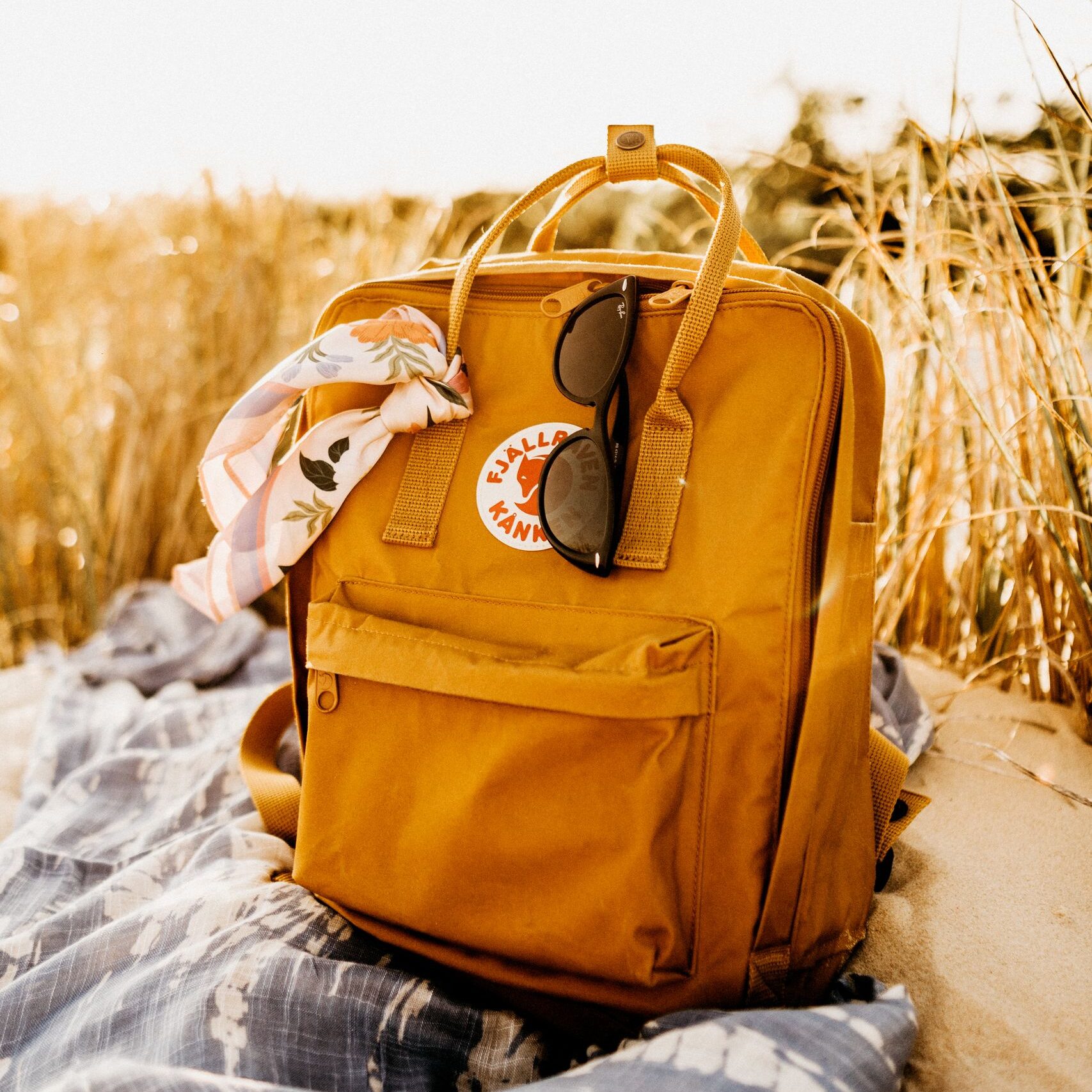
The Kanken is one of the most recognizable backpacks in the world, and the Re-Kanken is the version you actually want. Each bag is made entirely from recycled polyester, using fibers from eleven plastic bottles, and dyed using Fjallraven’s SpinDye process which uses significantly less water and fewer chemicals than conventional dyeing. It’s lightweight, durable, comes in multiple sizes for kids and adults, and is built to last for years of daily use.
Price range: ~$80-120 USD
🌍 Sweden-based, available globally
2. Patagonia
Repair programs and recycled everything
Patagonia has been doing this longer than almost anyone. Their backpacks use recycled nylon and recycled polyester throughout, and many carry bluesign certification for responsible manufacturing. What sets Patagonia apart from most brands is their Worn Wear repair program – you can send a damaged bag in for repair rather than replacing it, which is a commitment very few brands actually follow through on. Their Black Hole series is particularly well regarded for durability.
Price range: ~$89-279 USD
🌍 US-based, available globally
3. GOT BAG
Literally made from ocean plastic
GOT BAG is a German brand with one of the most compelling origin stories in sustainable fashion. They work with fishing communities in Indonesia to collect plastic that has already entered the ocean, then turn that recovered material into their backpacks. Every bag is made from what they call Ocean Impact Plastic – not just ocean-bound plastic, but plastic that was already in the water. Their partner foundation GOT BAG Indonesia employs local fishermen to collect it, giving communities both income and a cleaner ocean.
The bags themselves are high quality, fully waterproof, and beautifully designed. This is one of those brands where the sustainability story is genuinely impressive rather than a marketing angle.
Price range: ~$130-200 USD
🌍 Germany-based, ships internationally including the US
4. QWSTION
Banana fiber and actual innovation
QWSTION is a Swiss brand that spent years developing their own material called Bananatex – a fabric made from abaca banana plant fibers grown regeneratively in the Philippines with no pesticides, irrigation, or additional fertilizers needed. The plant grows wild in the forest and is harvested without damaging it. The resulting fabric is water-resistant, durable, plastic-free, and biodegradable. QWSTION is a certified B Corp, designs their bags for circularity and zero waste patterns, and is easily one of the most innovative brands in this space.
Price range: ~$200-350 USD
🌍 Switzerland-based, ships internationally
5. Sandqvist
Scandinavian design, Fair Wear certified
Sandqvist is a Swedish brand making beautifully minimal backpacks from recycled nylon, recycled polyester, organic cotton, and vegetable-tanned leather. They are a member of the Fair Wear Foundation, which means their labor practices are independently audited, not just self-reported. They publish their factory list on their website, have clear emissions reduction goals, and run a repair program so your bag can be fixed rather than replaced. And their bags look good enough that you won’t want to replace them anyway.
Price range: ~$150-300 USD
🌍 Sweden-based, available globally
6. Terra Thread
Organic cotton, Fair Trade certified, gives back
Terra Thread makes their backpacks from GOTS-certified organic cotton canvas in Fair Trade Certified factories in India, where workers are paid living wages in safe conditions. No recycled synthetics, no petroleum-based materials – just heavy-duty organic cotton that’s been tested free from harmful chemicals. Every purchase also supports Feeding America. Simple, durable, and as clean a supply chain as you can possibly find.
Price range: ~$60-90 USD
🌍 US-based, ships internationally
7. Cotopaxi
Repurposed fabrics, certified B Corp
Cotopaxi is a brand I mention a lot on this blog and for good reason. Their colorful backpacks are made from repurposed and recycled fabrics, and many of their bags are completely unique because they use whatever leftover materials are available – so no two are exactly alike. They are a certified B Corp, 1% for the Planet member, and direct a significant portion of revenue to poverty alleviation programs globally. Their Allpa and Del Dia bags are particularly popular for travel and day hiking.
Price range: ~$75-230 USD
🌍 US-based, ships internationally
8. Pinqponq
German engineering, fully recycled
Pinqponq is a German brand making backpacks from 100% recycled PET plastic bottles using OEKO-TEX certified processes (no harmful chemicals anywhere in the production chain). Their bags are designed to last, waterproof, and come with a modular system of add-ons and accessories. They’re also part of the Fair Wear Foundation. Not the most well-known brand outside of Europe, but definitely one of the most thoughtfully made.
Price range: ~$100-180 USD
🌍 Germany-based, ships internationally
9. Ucon Acrobatics
100% vegan, PETA certified
Ucon Acrobatics is a Berlin-based brand making 100% vegan backpacks – no leather, no animal products anywhere – certified by PETA. Their materials include recycled polyester and OEKO-TEX certified fabrics, and their designs are clean, minimal, and very practical for everyday use. They’re a great option if you’re based in Europe and want something stylish.
Price range: ~$80-160 USD
🌍 Germany-based, ships internationally
10. Bedi
Upcycled seatbelts and certified B Corp
Bedi is a Canadian brand with one of the most creative material stories in this space. They started out making bags from old seatbelts and have built from there into a full range of backpacks using ECONYL recycled nylon, upcycled leather, and USDA certified organic and OEKO-TEX certified materials. They’re a certified B Corp and run a second life program where previous-season items are sold at a discount rather than being discarded.
Price range: ~$100-250 CAD
🌍 Canada-based, ships internationally
Whichever brand you go with, the most sustainable backpack is one you’ll actually love and use for years rather than replace every season. So if you’re planning to get a new one this year, make sure you buy something well-made, take care of it, and if it ever breaks, repair it before you even think about replacing it.