I don’t think I’ll ever fully give up coffee, but I have started to swap one of my daily coffees for matcha. It gives me a calmer kind of energy: enough caffeine to wake me up and help me focus, but without the full-body panic attack that coffee occasionally likes to deliver.
And honestly, once you learn how to make it properly, matcha is SO good. Because yeah… if you just stir green powder into warm water and call it a day, it can absolutely taste like warm grass milk.
My favorite way to make it is iced or hot with oat milk and a little maple syrup. The maple balances out the earthy flavor perfectly, and whisking the matcha properly first makes a huge difference. Smooth, creamy, slightly sweet matcha lattes are one of my favorite little rituals now.
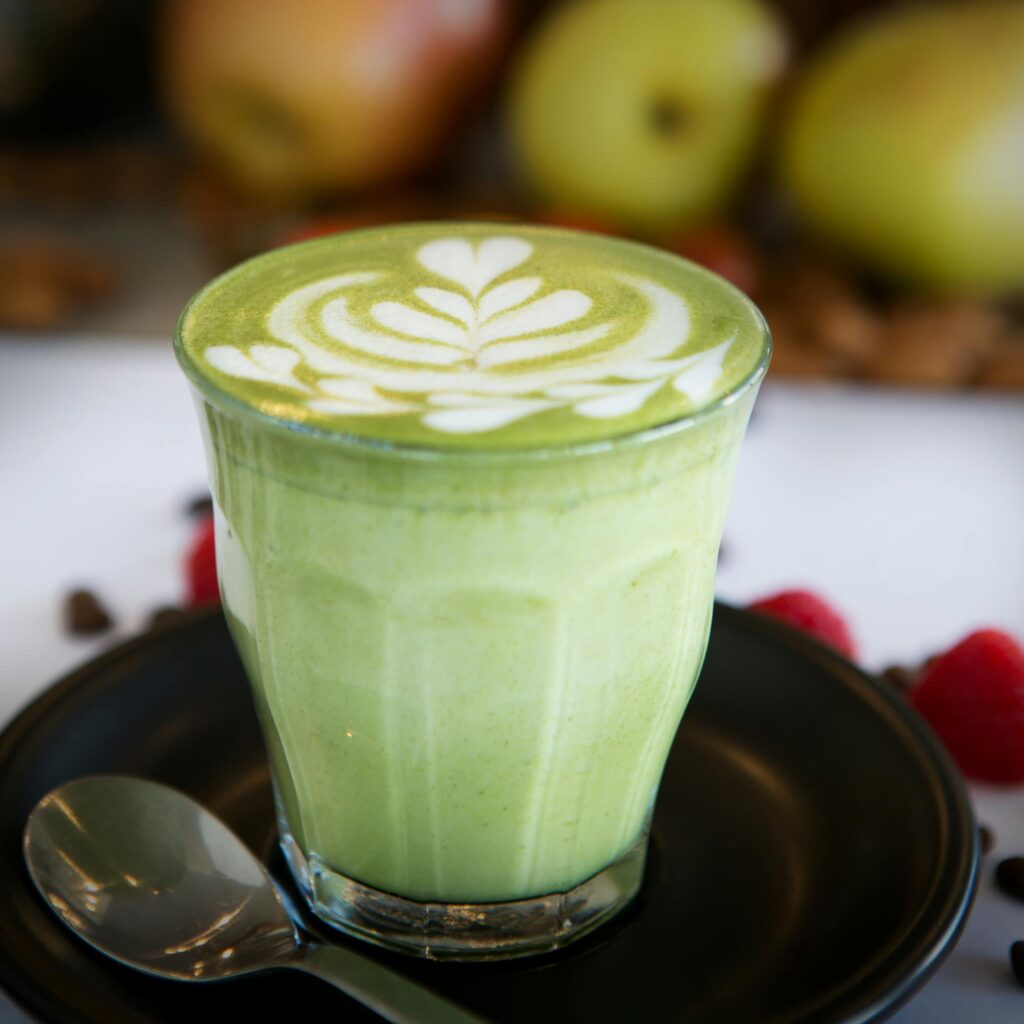
For anyone new to it: matcha is a powdered green tea traditionally made in Japan. Unlike regular green tea where you steep the leaves and throw them away, with matcha you consume the entire leaf ground into powder. That’s why it contains such high levels of antioxidants and a more noticeable caffeine boost than regular green tea. Matcha also naturally contains L-theanine, an amino acid that many people feel gives it that calmer, steadier energy compared to coffee.
Sustainability-wise, matcha can actually be a pretty good choice when it’s produced well. High-quality matcha is shade-grown, often harvested carefully by hand, and traditionally stone-ground in small batches. Organic production is becoming more common too, which helps reduce synthetic pesticide use and protects soil health and biodiversity around tea farms.
That said, matcha has exploded in popularity lately, and demand is putting pressure on supply chains and tea-growing regions. So I always try to support brands that are transparent about sourcing, work directly with farms, and prioritize quality over mass-produced “wellness trend” matcha.
Here are some sustainable matcha brands worth trying.
1. Encha
Encha is one of the brands I kept seeing recommended when researching organic matcha, and I really like how transparent they are about sourcing. They work directly with an organic farm in Uji, Japan, and focus heavily on traceability and purity testing. Their matcha is USDA organic, shade-grown, and stone-ground in small batches, with no fillers or sweeteners added. They also provide testing information for things like lead and radiation, which should give you some peace of mind since you’re consuming the entire tea leaf with matcha.
Price range: ~$25–45 USD
🌍 Ships internationally from the US and Japan
2. Moya Matcha
Moya Matcha is a Polish brand sourcing organic matcha from small family-run tea farms in Japan. Their packaging is beautiful, but more importantly, their matcha tastes genuinely smooth and vibrant rather than bitter. They offer ceremonial, daily, and culinary grades depending on whether you want traditional tea or something for lattes and baking.
Price range: ~$15–40 USD
🌍 Ships across Europe and internationally
3. KISSA Tea
KISSA focuses heavily on organic cultivation and sustainable production practices, which I appreciate. Their matcha is grown without synthetic fertilizers or pesticides, and they also emphasize environmentally friendlier packaging and ethical sourcing relationships with Japanese tea producers.
Their latte blends are especially beginner-friendly if you’re trying to ease into matcha without going full grassy-earth-bomb immediately.
Price range: ~$20–35 USD
🌍 Germany-based, ships internationally
This is more of a premium option, but matcha lovers absolutely rave about Matchaeologist. They source directly from small farms in Japan and focus on freshness and seasonal harvesting. The flavor is incredibly smooth and naturally sweet, which makes it really good even without much sweetener.
Price range: ~$30–60 USD
🌍 Canada-based, ships worldwide
d:matcha Kyoto grows tea organically in Wazuka, Japan, without pesticides or herbicides, and their approach feels deeply connected to the surrounding ecosystem. They talk a lot about biodiversity and maintaining healthy tea fields naturally rather than forcing production through chemicals.
I also love that they work directly with visitors and education around tea farming instead of feeling like a faceless wellness company.
Price range: ~$20–45 USD
🌍 Ships internationally from Japan
6. Ippodo Tea
Ippodo is one of the oldest and most respected tea companies in Japan, dating back centuries. They’re not fully organic-focused, but their quality standards and traditional production methods are exceptional. If you want to try a truly classic Japanese matcha experience, this is one of the best places to start.
Their ceremonial matcha is especially beautiful for traditional preparation, though it also makes a ridiculously good latte.
Price range: ~$20–80 USD
🌍 Japan-based with international shipping
Okay yes, this one is definitely more modern and influencer-adjacent, but their matcha is actually pretty decent, organic-certified, and much easier for beginners to get into than some ultra-earthy ceremonial blends. If you’re mostly making iced oat milk matcha lattes at home, this is a fun and approachable option.
Price range: ~$20–30 USD
🌍 Ships internationally
Rocky’s Matcha has become super popular online recently, mostly because the branding is adorable, but they also focus on sourcing directly from Japan and offering higher-quality ceremonial matcha than many trendy wellness brands. Their matcha is vibrant, smooth, and noticeably less bitter than cheaper grocery store powders.
Price range: ~$30–50 USD
🌍 US-based, ships internationally
Jade Leaf is one of the easier sustainable-ish brands to find globally, especially if you’re just starting out and don’t want to spend a fortune. They source from Japanese farms and offer organic ceremonial and culinary grades that work really well in lattes, smoothies, and baking.
Price range: ~$10–35 USD
🌍 Widely available internationally
10. Pique Tea
Pique does things a little differently with tea crystals rather than traditional powder, but they focus heavily on clean sourcing, testing for contaminants, and organic ingredients. Their matcha products are especially convenient if you travel a lot or want something fast for mornings.
Price range: ~$25–60 USD
🌍 Ships worldwide
11. Golde
Golde is another really approachable brand if you’re newer to matcha. Their blends often combine matcha with things like turmeric, coconut, or cacao, which makes the flavor softer and easier for some people to enjoy. Sustainability-wise, they focus on plant-based ingredients, recyclable packaging, and more transparent sourcing than many wellness brands.
Price range: ~$20–40 USD
🌍 US-based, available internationally through retailers
12. Naoki Matcha
Naoki sources directly from tea farms in Japan and focuses on fresher, smaller-batch matcha rather than mass-produced powder sitting in warehouses forever. Their ceremonial blends are especially good for lattes because they stay super smooth when you add oat milk.
Price range: ~$20–50 USD
🌍 Ships internationally
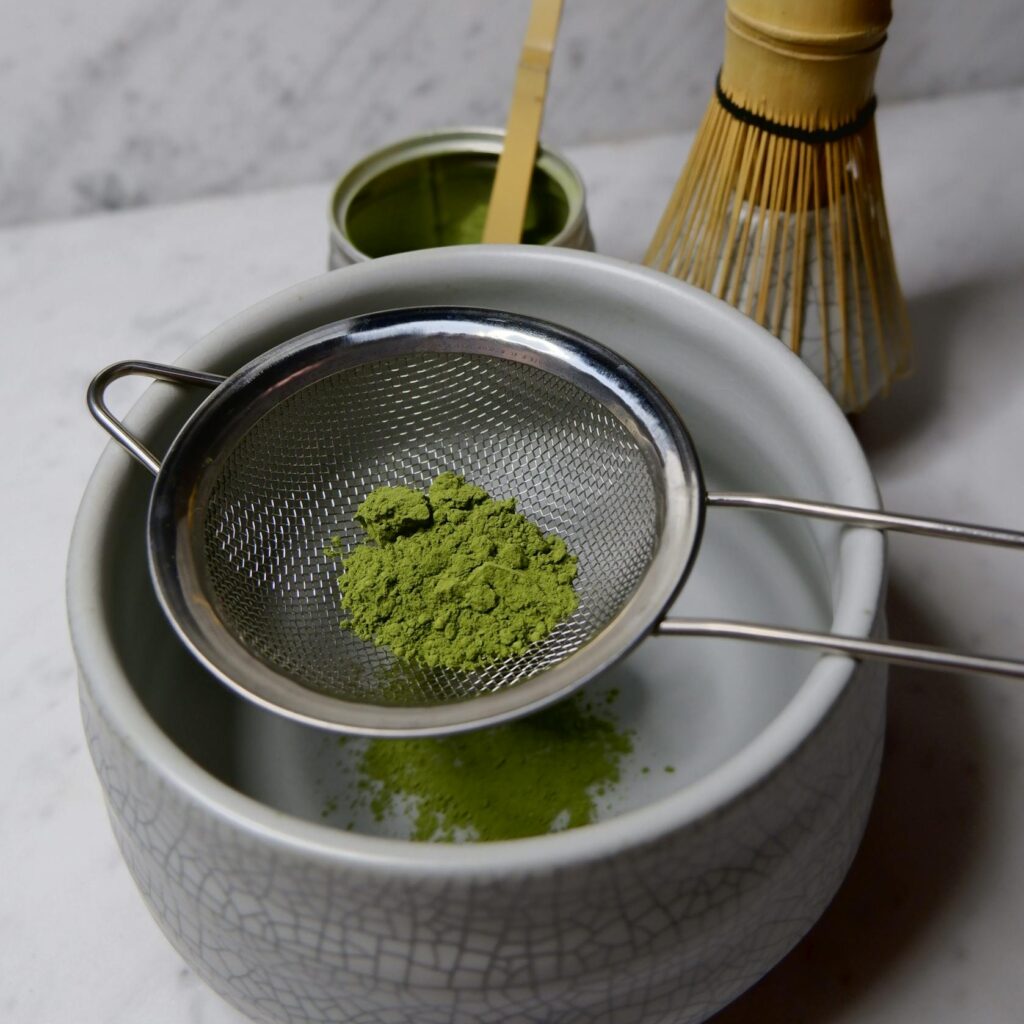
At the end of the day, matcha doesn’t need to be intimidating or hyper-trendy to be enjoyable. A simple oat milk matcha latte with a little maple syrup can genuinely become one of the nicest parts of your morning. And compared to the jittery chaos that too much coffee can sometimes bring, matcha feels a bit calmer and steadier, at least for me.
If you’re just getting started, I’d recommend beginning with a latte-friendly ceremonial or daily-grade matcha rather than jumping straight into expensive traditional preparation. Once you find one you love, it’s surprisingly easy to become completely obsessed with the ritual of it.