
I’ve always been curious about this, because plastic recycling is one of those things we’re taught to feel good about. You finish a yogurt, rinse the cup, toss it in the recycling bin, and move on with your day thinking: Nice. I helped.
But the more I’ve learned, the more I’ve realized plastic recycling is… complicated. And honestly, kind of frustrating.
Some plastic does get recycled. Some gets downcycled into lower-quality products. A lot gets landfilled or burned. And some of it gets shipped elsewhere and becomes someone else’s problem.
So let’s talk about what actually happens, which plastics are worth recycling, what those symbols mean, and what the actual “best solution” is.
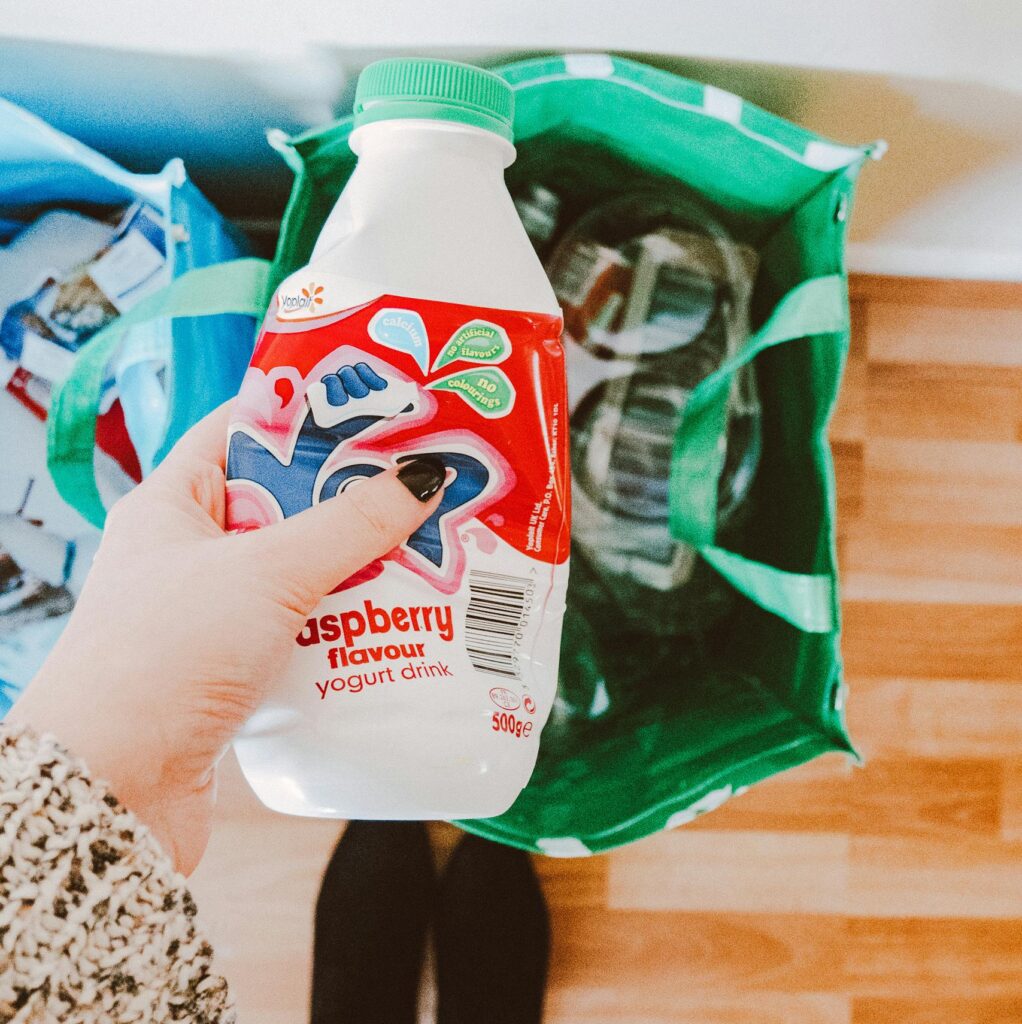
Does plastic really get recycled?
Yes… sometimes.
But plastic recycling is nothing like aluminum or glass recycling, where the material can be recycled again and again without losing much quality. Plastic is made from fossil fuels, and most types can’t be recycled many times before they degrade.
A lot of plastic is also contaminated with food residue, grease, and other materials, and that contamination can make whole batches unusable.
So even if you do everything “right,” plastic recycling depends heavily on:
🌲 what kind of plastic it is
🌲 what your local facility accepts
🌲 whether it’s clean enough
🌲 whether there’s a buyer for it
🌲 whether it can be processed economically
And that last part is huge. If it costs more to recycle than to make new plastic, companies often choose new plastic.
The hard truth: recycling was never meant to fix plastic
This is the part that annoys me the most.
Plastic recycling is often marketed like a solution, but it’s more like a damage control tool. It helps a little, and it makes people feel better. But it doesn’t stop the flow of plastic being produced in the first place.
And if we’re being honest… the best plastic waste is the plastic that never gets made.
Reducing plastic production and packaging is the real goal. Recycling is more like a last resort.
Why plastic is so hard to recycle
Plastic isn’t just one material. It’s a whole category of materials, with different chemical structures, additives, dyes, and blends.
That’s why you can’t just melt all plastic together and make something new.
Here are some of the biggest issues:
1. It’s not “one thing”
A water bottle, a shampoo bottle, a chip bag, and a takeout container are all plastic… but they’re often totally different types.
2. Food contamination ruins it
Grease, sauce, and residue can make plastic unrecyclable (and can contaminate other items too).
3. Mixed materials are a nightmare
Things like:
🌲 plastic-lined paper cups
🌲 toothpaste tubes
🌲 snack wrappers
🌲 coffee pods
🌲 padded mailers
are often made from multiple layers that can’t be separated.
4. Plastic loses quality when recycled
Most plastic is “downcycled,” meaning it becomes something lower quality (like park benches or fleece) rather than turning back into the same product again.
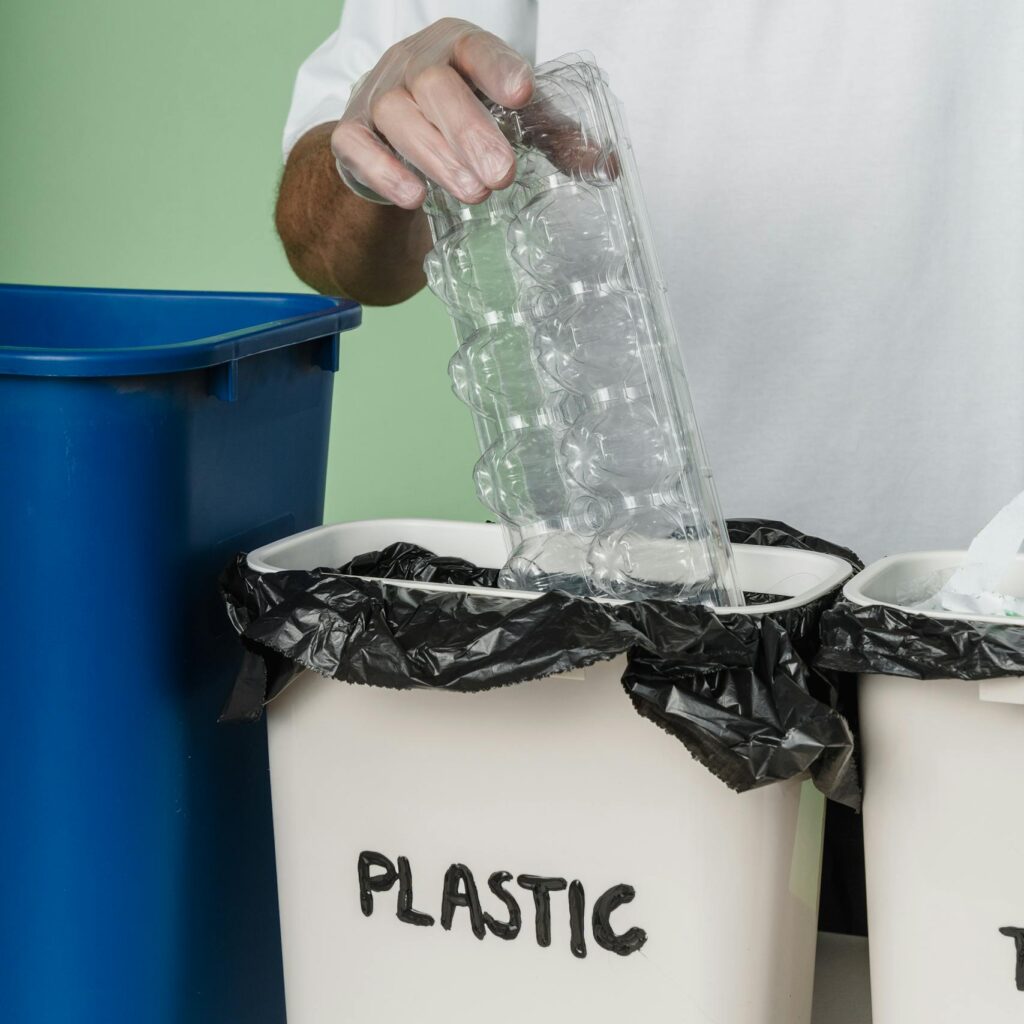
What those plastic numbers mean (and which ones matter)
You’ve probably seen the little triangle symbol with a number inside. A lot of people assume that triangle means “recyclable”, but it doesn’t always.
Those numbers are resin identification codes, meaning what type of plastic it is. Here’s the quick breakdown:
#1 PET (or PETE)
Common items: water bottles, soda bottles
Recyclable?: yes
This is one of the most commonly accepted plastics.
#2 HDPE
Common items: milk jugs, detergent bottles, shampoo bottles
Recyclable?: yes
This is usually one of the “best” plastics to recycle.
#3 PVC
Common items: pipes, some packaging
Recyclable?: no
PVC is rarely accepted and can contain harmful additives.
#4 LDPE
Common items: plastic bags, shrink wrap, squeezable bottles
Recyclable?: depends
Many curbside programs don’t take it, but some grocery store drop-offs do.
#5 PP (Polypropylene)
Common items: yogurt tubs, takeout containers, bottle caps
Recyclable?: increasingly yes
This one is becoming more widely accepted, but it varies.
#6 PS (Polystyrene)
Common items: styrofoam cups, foam packaging
Recyclable?: no
Hard to recycle and very lightweight, so it’s not profitable.
#7 Other
Common items: mixed plastics, “compostable” plastics, some reusable bottles
Recyclable?: no
This is basically the “mystery category.”
So in summary, #1 and #2 are usually your best bet. Everything else depends on your local system.
Which plastics actually belong in the recycling bin?
This varies a lot by country and even by city, but in general:
Usually accepted:
🌲 plastic bottles (#1 and #2)
🌲 jugs and sturdy containers (#2)
🌲 some tubs and lids (#5 in some areas)
Often not accepted:
🌲 plastic bags and film
🌲 black plastic takeout containers
🌲 foam/styrofoam
🌲 compostable plastic, unless your facility specifically accepts it
🌲 anything greasy or food-covered
🌲 mixed materials (pouches, lined cartons, wrappers)
When in doubt, check your local recycling website.
“Wishcycling”: why it makes everything worse
Wishcycling is when you toss something in the recycling bin hoping it’s recyclable. We’ve all done it.
But it can cause problems because non-recyclables can contaminate batches, clog machinery, increase sorting costs, and cause more of the load to get rejected
So as much as it pains me to say it… Sometimes the most responsible thing is throwing something away if it truly can’t be recycled in your area.
Why some countries do recycling well (and why some don’t)
Who does it “best” really depends on recycling rates, waste reduction, landfill diversion, incineration, and overall consumption.
But generally speaking, places that do better tend to have clear sorting rules, strong deposit-return systems (bottle returns), less packaging overall, producer responsibility laws (brands must pay for waste), and better collection and processing infrastructure.
These countries have stronger waste systems:
🌲 Germany
🌲 Austria
🌲 Sweden
🌲 Netherlands
🌲 Switzerland
But it’s also worth noting: Some countries keep landfill rates low partly by incinerating waste, which reduces volume but creates emissions. So “good waste management” doesn’t always mean “low-impact.”
For countries that struggle more, this often comes down to infrastructure and policy rather than individual behavior. If a country doesn’t have consistent sorting, collection, or processing facilities, recycling rates will naturally be lower.
And some countries have been burdened by receiving other countries’ plastic waste exports, which is a whole separate mess.
What to look for: symbols, labels, and bin clues
If you want to get better at recycling without going insane, here are the labels that actually help:
1. Resin codes (#1–#7)
Helpful for knowing plastic type, but not a guarantee.
2. “Widely recycled” vs “check locally”
Some packaging will say this. It’s more helpful than the triangle alone.
3. “Store drop-off”
This usually means plastic film like bags, which should NOT go curbside.
4. Local bin labels
Your city’s bin label is more important than the packaging label. If your bin says “bottles and jugs only,” believe it.
The Best Alternatives
If you want to actually reduce plastic, these are the moves that matter most:
1. Buy less packaged food
Loose produce, bulk bins, and larger containers create less packaging overall.
2. Switch a few repeat items to plastic-free
Not everything. Just the ones you buy all the time:
🌲 dish soap
🌲 hand soap
🌲 shampoo
🌲 deodorant
🌲 toothpaste
3. Choose glass, aluminum, or paper when available
These aren’t perfect, but they’re easier to recycle than plastic.
4. Reuse what you already have
The most sustainable container is the one you already own.
5. Support brands and policies that reduce packaging
This matters more than any one person rinsing yogurt cups.
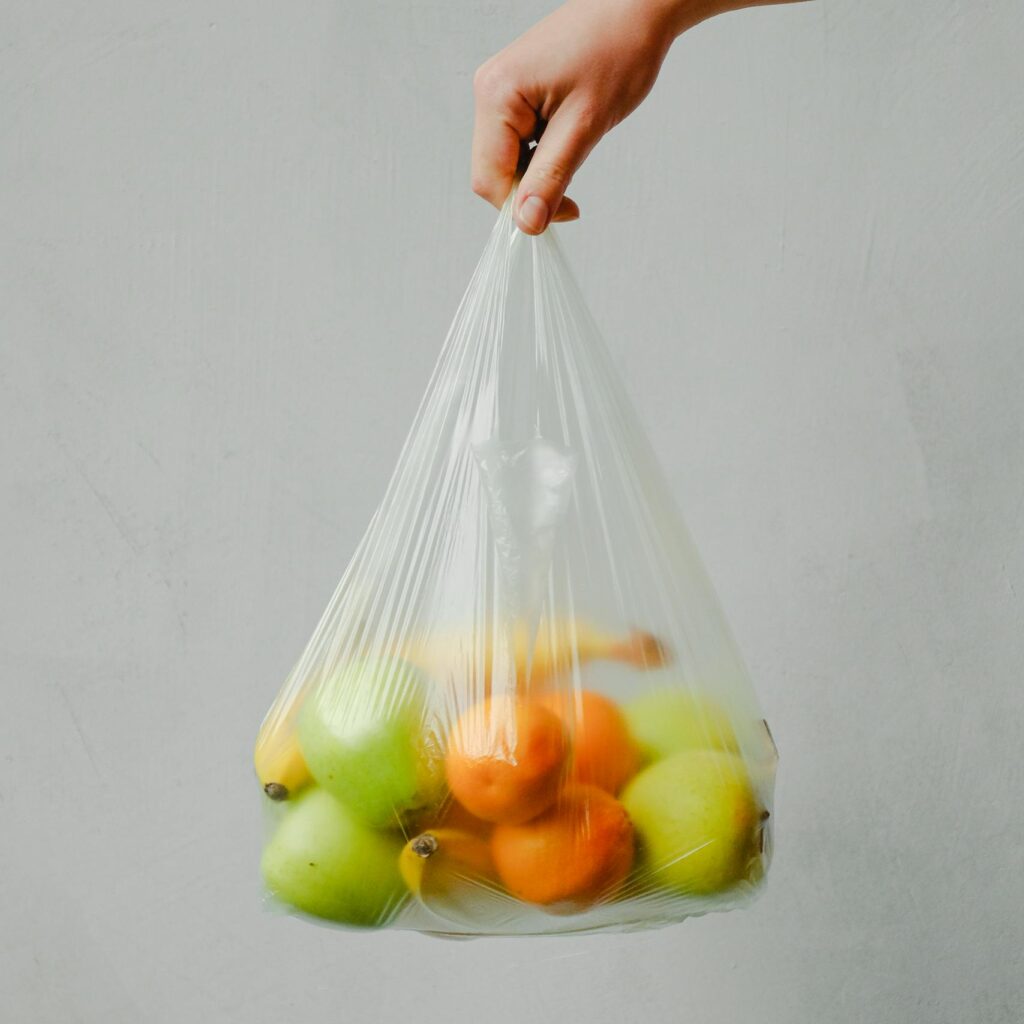
So… Should we even bother recycling plastic?
Yes. But with realistic expectations.
Recycling is still better than throwing everything straight into the landfill. It’s just not the magic fix we were told it was.
The real win is:
🌲 buying less plastic overall
🌲 choosing reusables where it makes sense
🌲 supporting systems that reduce production
Sure, recycling is a good backup plan, but reducing plastic (or better avoiding it altogether) is the goal.