
Let’s get something straight. Going meat-free does not mean living on sad salads or feeling hungry all the time. There are plenty of protein-rich foods that are better for the planet and genuinely satisfying, whether you’re fully plant-based or just trying to cut back on meat. These options are delicious, nutritious, use fewer resources than animal protein, and fit easily into everyday meals.

1. Lentils
Lentils are one of the most eco-friendly protein sources out there. They need very little water compared to meat, enrich the soil by fixing nitrogen, and grow well in many climates. Nutritionally, they’re rich in protein, iron, and fiber. They’re super filling and budget-friendly.
They work beautifully in soups, curries, salads, and lentil-based bolognese. Red lentils cook quickly, while green and brown lentils hold their shape for heartier dishes.
2. Beans
Beans are a sustainability classic for a reason. Black beans, kidney beans, chickpeas, cannellini beans, and so many others offer solid protein with a much lower carbon footprint than meat. Like lentils, they help improve soil health and store well without refrigeration.
They’re incredibly versatile, from tacos and stews to hummus and bean-based burgers. Buying dried beans reduces packaging waste, but canned beans are still a solid, convenient option.
3. Chickpeas
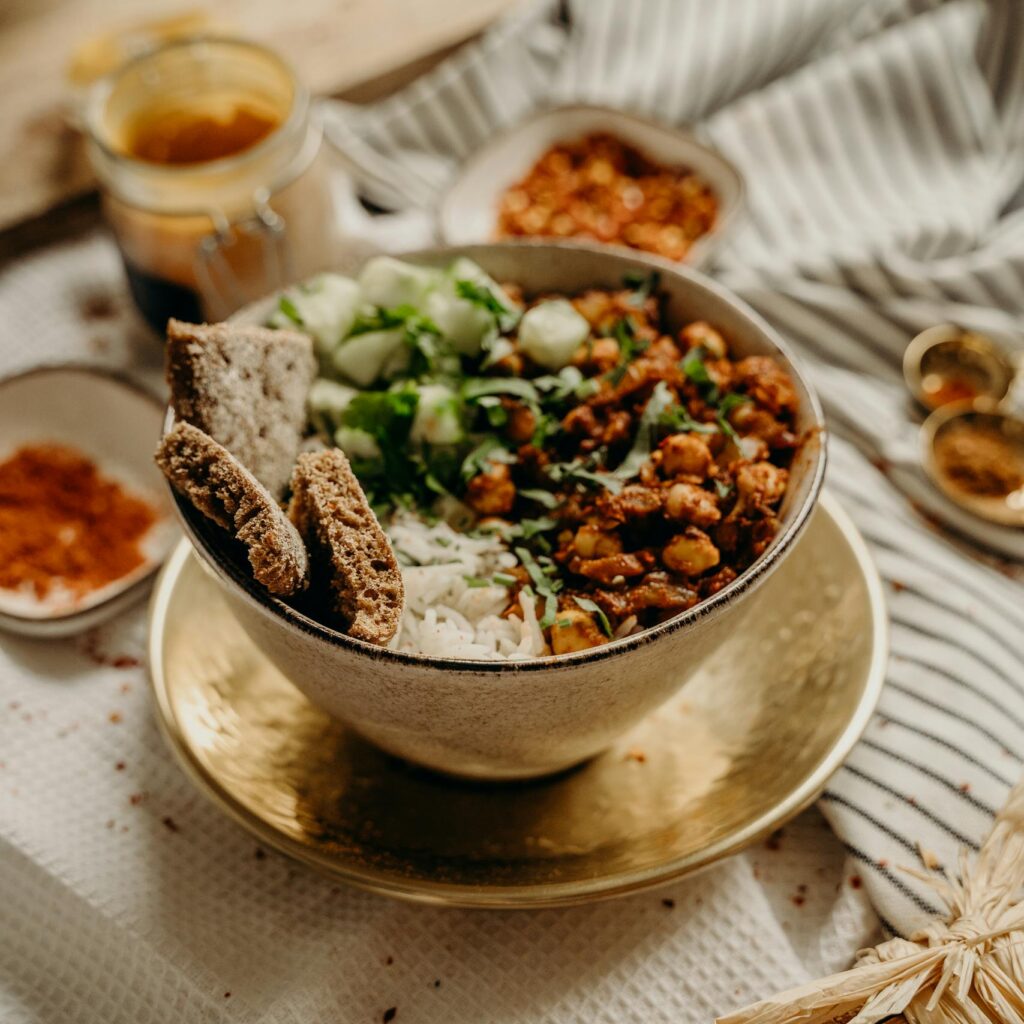
Chickpeas deserve their own moment. They’re protein-rich, affordable, and easy to use across so many different cuisines. Roasted chickpeas make a great snack, while cooked chickpeas shine in curries, grain bowls, and salads.
They also form the base of hummus and falafel, which makes them one of the most adaptable plant proteins around.
4. Tofu
Tofu often gets a bad reputation, but when prepared well, it’s a staple worth keeping around. It’s made from soybeans, so it’s high in protein and absorbs flavor so well. You can put it in anything from stir-fries to blended sauces – it’s deliciously versatile.
Environmentally, tofu has a much lower impact than animal protein, especially when compared to beef. Choosing organic or non-GMO soy where possible can reduce the impact even further.
5. Tempeh
Tempeh is another soy-based protein, but it’s fermented, which gives it a firmer texture and a slightly nutty flavor. It’s higher in protein than tofu and often easier to digest for some people.
Tempeh works well sliced and pan-fried, crumbled into sauces, or baked and added to bowls. It’s especially good if you want something hearty and filling.
6. Peas and Pea Protein
Whole peas are underrated, and pea protein has quietly become one of the most popular plant proteins. Yellow peas in particular are used in everything from protein powders to meat alternatives.
As a crop, peas are low-impact and nitrogen-fixing, which makes them great for soil health. Whole peas are easy to add to soups, pastas, and grain dishes.
7. Nuts and Seeds
Nuts and seeds offer protein alongside healthy fats, which helps keep meals satisfying. Almonds, walnuts, sunflower seeds, pumpkin seeds, hemp seeds, and chia seeds all bring something different to the table.
Because some nuts are water-intensive, moderation matters here. Seeds and regionally grown nuts tend to be the more eco-friendly choice.
8. Whole Grains with Protein Power
Grains like quinoa, farro, buckwheat, and oats are not complete replacements for legumes, but they do contribute meaningful protein. When paired with beans or lentils, they help create balanced, filling meals.
Quinoa is a complete protein and works well in salads and bowls, while oats are an easy, low-impact option for breakfast.
Easy Meal Ideas: No Meat, No Stress
If you’re not sure how to actually use some of these proteins day-to-day, here are a few simple, low-effort ideas that don’t require any special skills or fancy ingredients:
🌲 Lentil + veggie bowls: Cooked lentils, roasted seasonal vegetables, olive oil, lemon, and a sprinkle of seeds. Simple, filling, and easy to batch-cook.
🌲 Chickpea stir-fries: Toss canned chickpeas into a pan with frozen veggies, soy sauce or tamari, and garlic. Serve over rice or noodles.
🌲 Tofu sheet-pan dinners: Cube tofu, add vegetables, drizzle with oil and spices, and roast everything together until crispy.
🌲 Tempeh tacos or wraps: Crumble or slice tempeh, pan-fry with spices, and add to tortillas or wraps with greens and sauce.
🌲 Hummus everything: Use hummus as a spread in sandwiches, wraps, or grain bowls to instantly add a bunch of protein.
🌲 Overnight oats with seeds: Oats, plant milk, chia or hemp seeds, fruit, and nut butter for an easy protein boost in the morning.
Eating more plant-based protein doesn’t have to be all or nothing. Even substituting it in a few meals a week can make a difference, and these foods are easy to build into the meals you already love. No meat really can be no problem when your plate is delicious, nutritious, and aligned with your values.