
If you’ve ever stood in a shop holding a “vegan leather” bag in one hand and a real leather one in the other, you’ll know the feeling.
On one side, you have plastic-based materials that don’t involve animals. On the other, you have natural materials that can biodegrade but come from animals or resource-heavy systems.
Suddenly, it doesn’t feel so straightforward anymore. If you’re trying to live more sustainably, but you also care about animal welfare, it can feel like you’re always compromising somewhere.
So instead of pretending there’s one right answer, let’s break it down a bit more realistically.
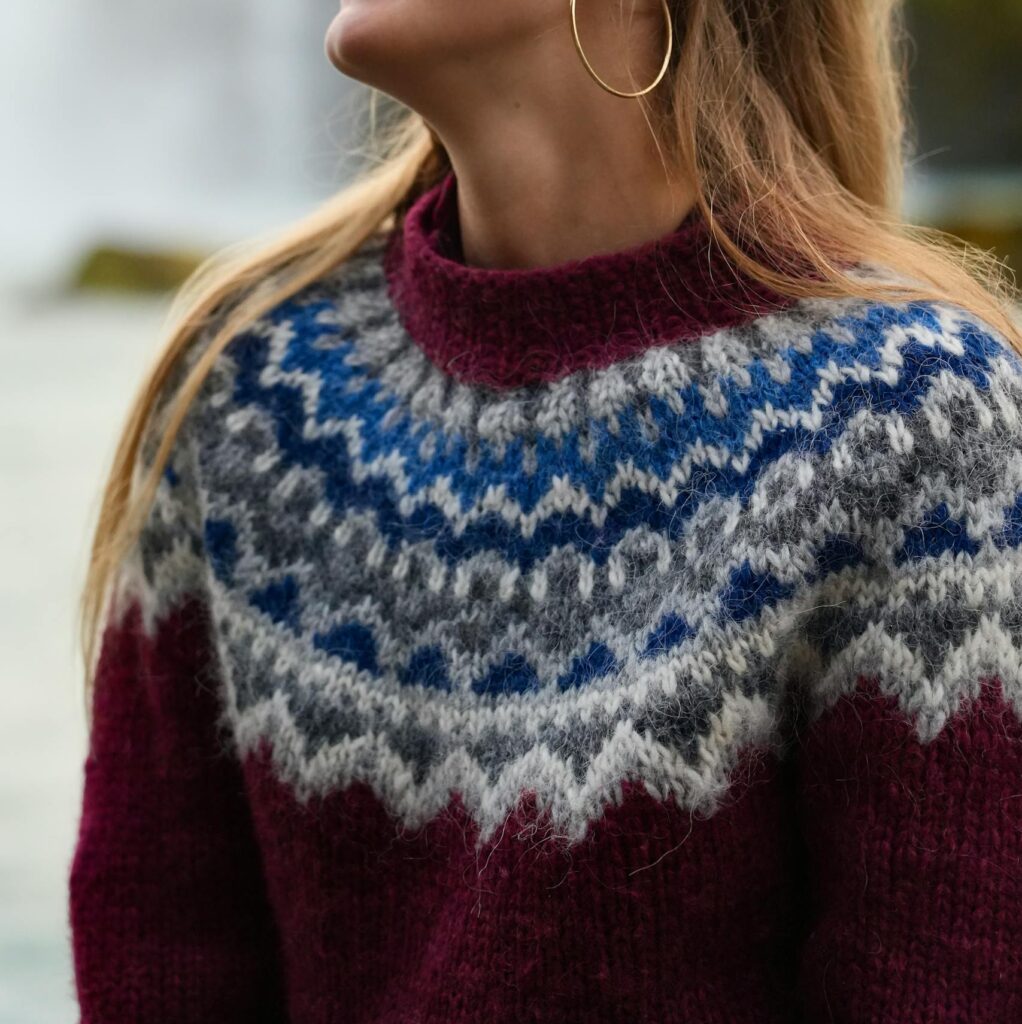
Why plastic isn’t the easy solution:
A lot of vegan alternatives today are made from plastic. For example:
🌲 “Vegan leather” (usually polyurethane or PVC)
🌲 Polyester clothing
🌲 Acrylic knits
🌲 Synthetic shoes
On paper, they solve the animal issue. But environmentally, they come with their own problems.
Plastic is made from fossil fuels, and it doesn’t biodegrade. Instead, it breaks down into microplastics that end up in our water, soil, and even the food we eat.
Clothing made from polyester or acrylic also sheds tiny plastic fibers every time you wash it. Those fibers are now being found pretty much everywhere.
And the hardest part is that a lot of these items don’t last very long. Once they crack, peel, or lose shape, they usually can’t be repaired. So they get thrown away.
Why natural materials aren’t automatically better:
It’s easy to assume natural materials are always the answer. But it’s not that simple either.
Materials like leather, wool, and silk are biodegradable, and they can last for years if you take care of them. But they also come from animal agriculture, which has its own environmental impact.
That includes:
🌲 Land use
🌲 Water consumption
🌲 Methane emissions (especially for wool and leather)
🌲 Chemical-heavy tanning processes for leather
And of course, if you’re vegan, there’s the ethical side that matters just as much. So even though something is “natural,” it doesn’t automatically make it low-impact.
Where plant-based materials fit in:
This is where things start to get more interesting. There are now more plant-based materials being developed, like:
🌲 Piñatex (made from pineapple leaves)
🌲 Apple leather
🌲 Cork
🌲 Mushroom leather (mycelium)
These are often marketed as the “best of both worlds” – no animals, less plastic.
But the reality is that many of them are still blended with plastic to make them durable. So while they’re a step in the right direction, they’re not always fully plastic-free yet.
Still, they’re worth keeping an eye on, because this technology is evolving quickly.
So… what’s the greener choice?
Honestly, it depends. There isn’t one perfect material that ticks every box. Instead, it helps to think in terms of impact over time.
A cheap plastic item you replace every year will always be worse than something you use for 10 years. And something that ends up in the landfill after a short life isn’t doing the planet any favors, no matter what it’s made from.
A more realistic way to approach it:
Rather than trying to be perfect, it helps to have a few simple guidelines.
1. Use what you already own
This is always the most sustainable option, even if it’s plastic. Replacing everything at once only creates more waste.
2. Buy less, choose better
If you’re buying something new, it’s worth thinking about how long it will last. Will you still be using it in a few years? Can it be repaired? Does it feel durable? That matters more than whether it’s labeled “eco.”
3. If you’re vegan, choose better plastics
Sometimes plastic is unavoidable. In those cases, look for:
🌲 Recycled materials (recycled polyester, recycled nylon, etc.)
🌲 Brands that design for durability
🌲 Repair or take-back programs
Recycled plastic isn’t perfect, but at least it reduces the need for new fossil fuels.
4. If you’re open to natural materials, consider secondhand
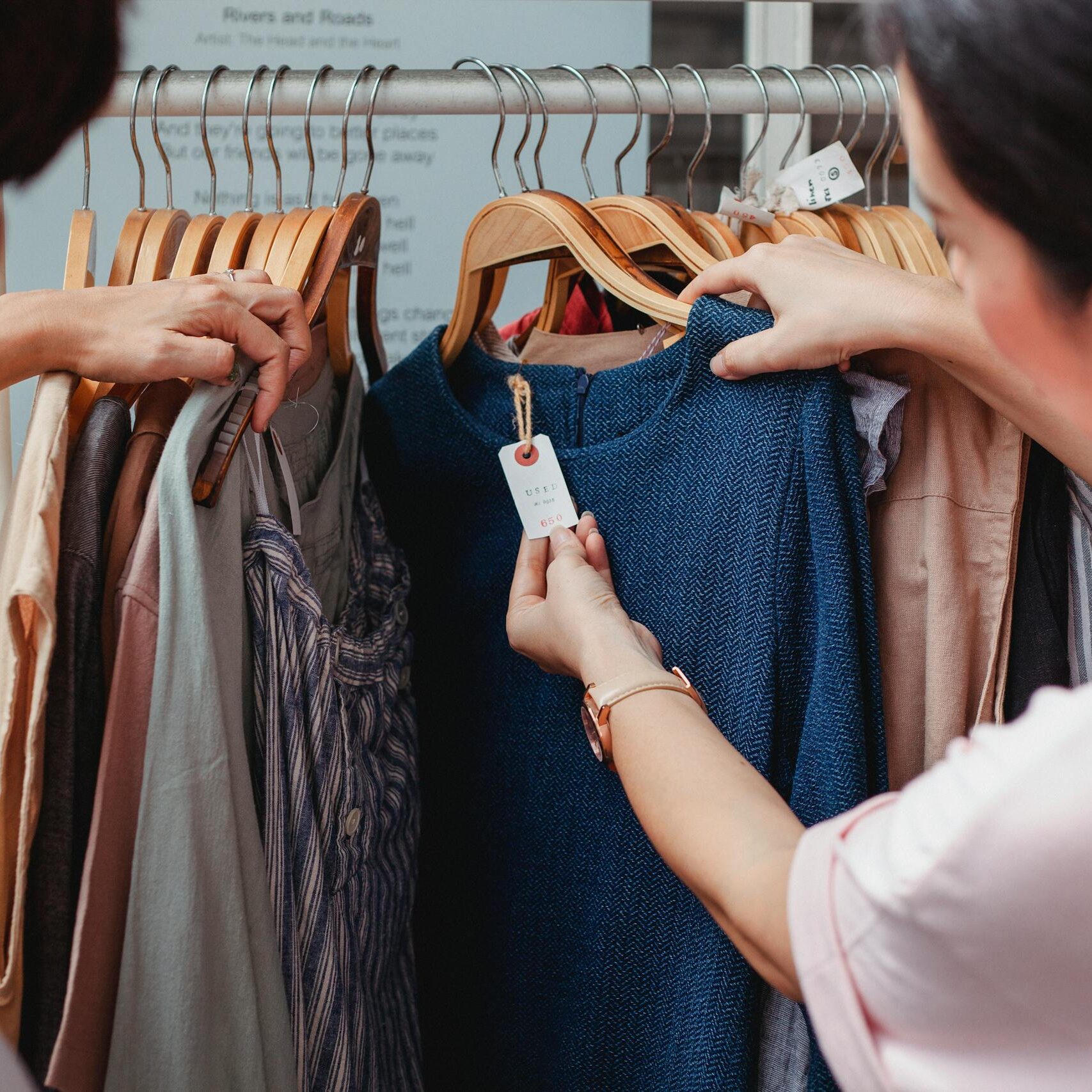
If you’re comfortable with it, buying secondhand leather or wool can be a lower-impact option. You’re not directly supporting new production, and you’re giving something a longer life. It’s not for everyone, but for some people it feels like a reasonable middle ground.
5. Watch out for greenwashing
A lot of products are marketed as “eco” just because they use a small percentage of plant-based material. That doesn’t always mean they’re actually better. It’s worth looking a little deeper when you can.
6. Focus on longevity above all
The longer something lasts, the lower its impact tends to be. That applies to almost everything, whether it’s plastic, cotton, or leather. Taking care of your things, repairing them, and actually using them for years makes a bigger difference than the label.
This is one of those areas where your values really matter. Some people will always choose vegan materials, even if they’re plastic-based. Others prefer natural fibers. There isn’t one “correct” approach. What matters more is being aware of the trade-offs and making choices that feel right, while doing your best to reduce your overall consumption where you can.