
With so many brands claiming to be “eco-friendly,” it’s not always easy to tell who’s genuinely doing the work… and who’s just good at marketing. One of the easiest ways to cut through the greenwashing is to look for independent, third-party certifications, the kind a company can’t just buy or design themselves.
Below is a breakdown of the most reliable sustainability certifications across food, fashion, beauty, home goods, and other categories. Think of it as a cheat sheet you can refer back to whenever you’re unsure about a brand’s claims.
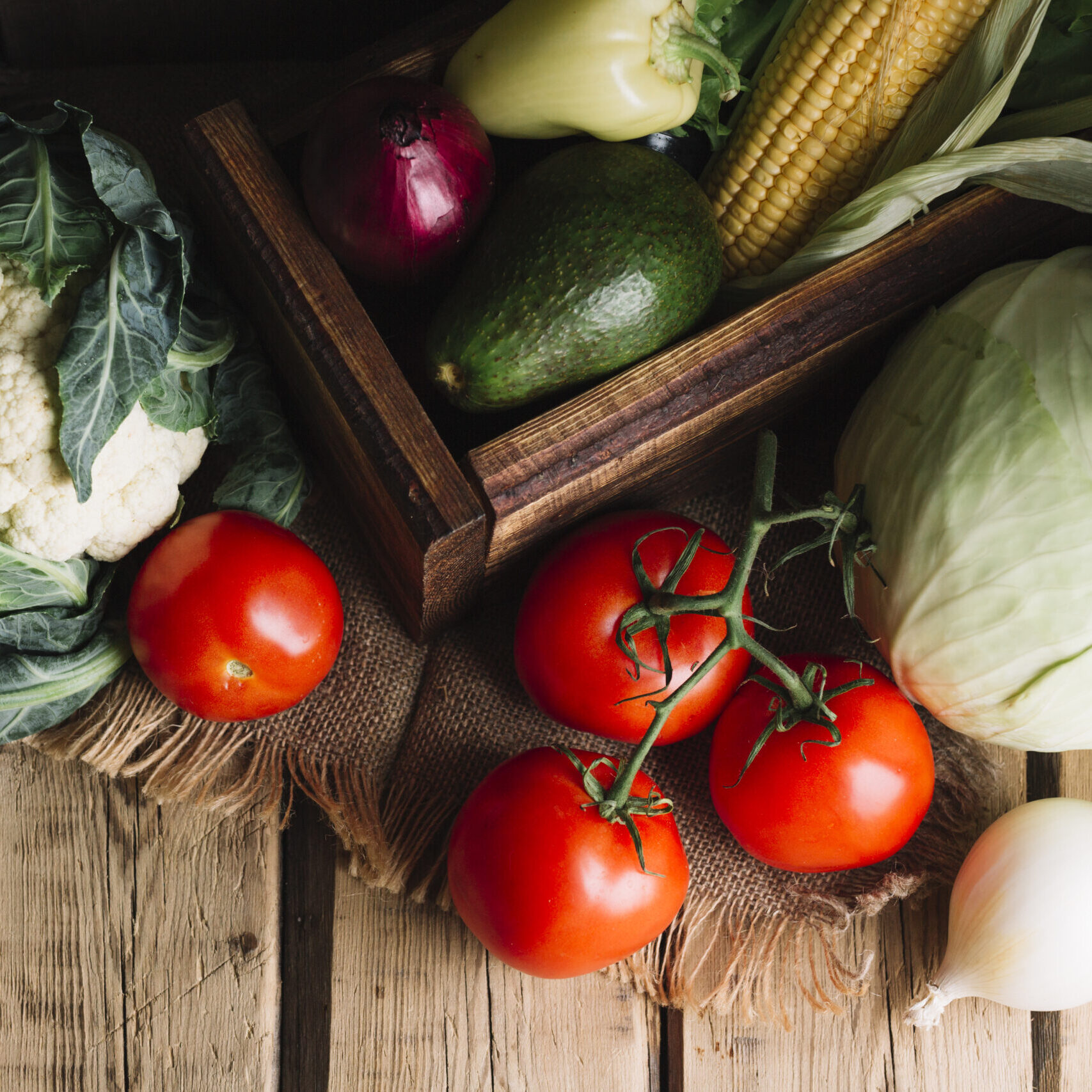
Food & Farming Certifications
One of the strongest organic standards in the world. No synthetic pesticides, GMOs, or artificial fertilizers allowed. Mostly seen in the US but recognized globally.
The European version of certified organic: strict animal welfare, no GMOs, and strong soil + ecosystem protection rules.
Guarantees fair wages, safe working conditions, and community support for farmers, especially in crops like coffee, tea, chocolate, and bananas.
Focuses on biodiversity, reduced deforestation, and better livelihoods for farmers. You’ll commonly find it on cocoa, tea, and coffee.
🌲 Regenerative Organic Certified
One of the newest and most ambitious labels. It goes beyond organic to include soil health, animal welfare, and fair labor.
Guarantees products are made without genetically modified ingredients. Mostly North America but widely recognized.
🌲 MSC (Marine Stewardship Council)
One of the most trusted labels for wild-caught seafood. Ensures responsible fishing and healthy oceans.
🌲 ASC (Aquaculture Stewardship Council)
The counterpart to MSC, but for farmed fish and seafood raised with lower environmental impact.
Textile & Clothing Certifications
🌲 GOTS (Global Organic Textile Standard)
The gold standard for organic cotton and other natural fibers. Covers everything from farming to dyeing to worker welfare.
Means the fabric has been tested for harmful chemicals and is safe for human skin, even baby skin.
Focuses on fair working conditions and labor rights in the garment industry.
🌲 Bluesign
Ensures textiles are made with low-impact chemicals, responsible water use, and worker safety.
Looks at the full lifecycle of a product, from raw materials to end-of-life recyclability.
Confirms that a product contains no animal-derived materials, including wool, silk, leather, or glue.
Beauty & Personal Care Certifications
🌲 COSMOS
One of the most widely recognized clean beauty standards in the world. It sets strict rules around ingredient safety, organic content, environmental impact, and ethical sourcing.
The most trusted global certification for cruelty-free products. No animal testing at any stage.
Guarantees no animal ingredients and no animal testing.
Ensures ingredients meet strict safety and transparency guidelines from the Environmental Working Group.
Screens for more than 6,500 known or suspected toxic chemicals. Commonly found on skincare, body care, and household products.
Home, Furniture, & Household Certifications
🌲 FSC (Forest Stewardship Council)
The most reliable certification for responsibly sourced wood, paper, and bamboo.
Ensures low chemical emissions. Great for furniture, mattresses, paints, and children’s items.
🌲 Global Recycled Standard (GRS)
Verifies that recycled materials are truly recycled and traceable through the supply chain.
The most widely recognized label for energy-efficient appliances and electronics.
General Sustainability Certifications
These apply to multiple industries and are a good sign of a brand’s overall responsibility:
🌲 B Corp: measurable social + environmental performance
🌲 1% for the Planet: donates at least 1% of revenue to environmental causes
🌲 Green Seal: environmental and health standards for products and services
🌲 Carbon Trust: verified carbon footprint transparency

A quick reminder: no brand needs every certification, and no certification guarantees perfection. But they’re incredibly helpful when you’re choosing between two products or trying to support companies that back up their claims with real standards.
And as always, the most sustainable option is the one that already exists: borrow, reuse, repair, or buy secondhand when you can. Certifications are just tools. Your values still lead the way.