
When you invest in sustainable clothing, you’re not just choosing better materials – you’re choosing pieces that are meant to last. But even the most thoughtfully made clothes need a little extra love to stay looking and feeling great for years.
But with a few simple habits, you can make your wardrobe go the distance (and save yourself money in the long run).

Wash Less Often
It’s tempting to toss everything in the laundry after just one wear, but most clothes don’t need to be washed that often – especially natural fabrics like organic cotton, linen, and hemp. Over-washing wears down fibers, fades colors, and uses a lot of water and energy.
Unless it’s visibly dirty or stinks, try airing it out instead. A quick steam or spot-clean can work wonders too.
Use Cold Water
When you do wash, cold water is your best friend. It’s gentler on fabrics, helps prevent shrinking and fading, and cuts down on energy use since your machine doesn’t have to heat up the water.
Plus, many eco-friendly fabrics like Tencel and bamboo will last way longer with cold washes.
Choose Gentle, Eco-Friendly Detergents
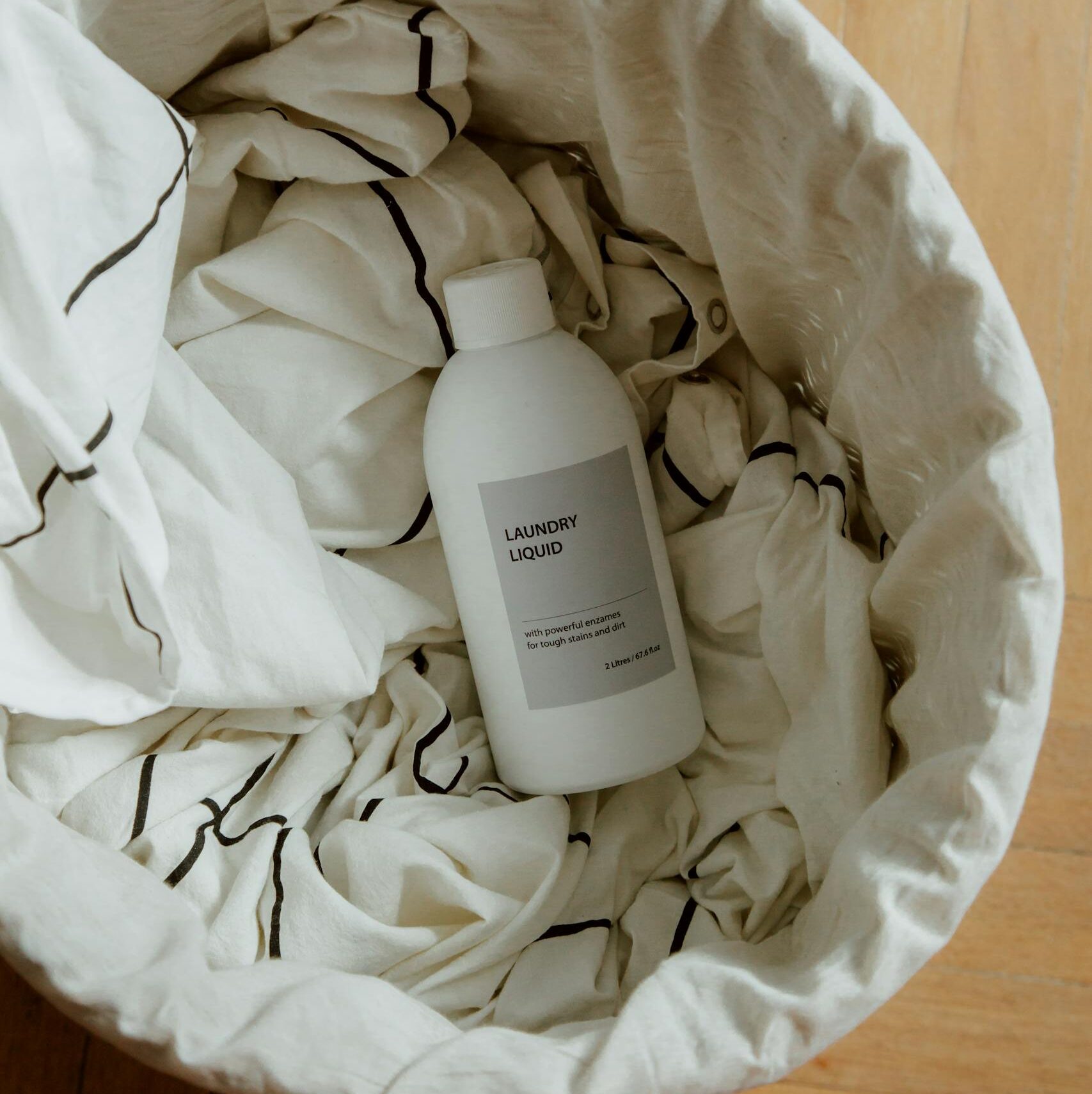
Harsh detergents can strip natural fibers and leave behind chemicals that damage clothes over time. Look for biodegradable, fragrance-free detergents that are gentle on both your clothes and the planet. Brands like Dropps and Ecover are great options.
And a little tip: you usually only need about half the amount of detergent the bottle recommends.
Use the Right Laundry Tools
A few small laundry upgrades can make a big difference in how long your clothes stay in good shape. A Guppyfriend bag or Cora Ball helps reduce microfiber shedding from synthetic fabrics (and keeps those fibers out of waterways). Wool dryer balls are another low-waste option that can gently reduce drying time without heat or chemicals, especially if you occasionally use a dryer for towels or sturdier basics.
If you’re washing delicates like silk, Tencel, or fine knits, a simple mesh laundry bag adds an extra layer of protection in the wash. Pair it with a gentle detergent like Ecover’s delicate laundry detergent, and your pieces keep their shape and softness much longer than with harsher formulas. For stains, something simple like The Earthling Co. stain stick works really well for spot-cleaning without weakening the fibers.
Pay Attention to Fabric Care
Even sustainable fabrics have different needs, and taking a moment to check the care label can save you a lot of frustration later. Linen and hemp soften beautifully with wear and wash, but they prefer gentle cycles. Organic cotton is hardy, but bright colors fade faster when washed too hot. Tencel and modal look best when washed cold and air-dried, since heat can make them lose their smooth finish.
If you have wool or alpaca clothing in your closet, remember they rarely need full washes. A good airing-out or a quick steam usually does the trick. For sweaters, a natural fiber comb, like the one from Steamery or Kent, helps remove pilling without damaging the knit, making your pieces look refreshed instead of worn out.
Avoid the Dryer
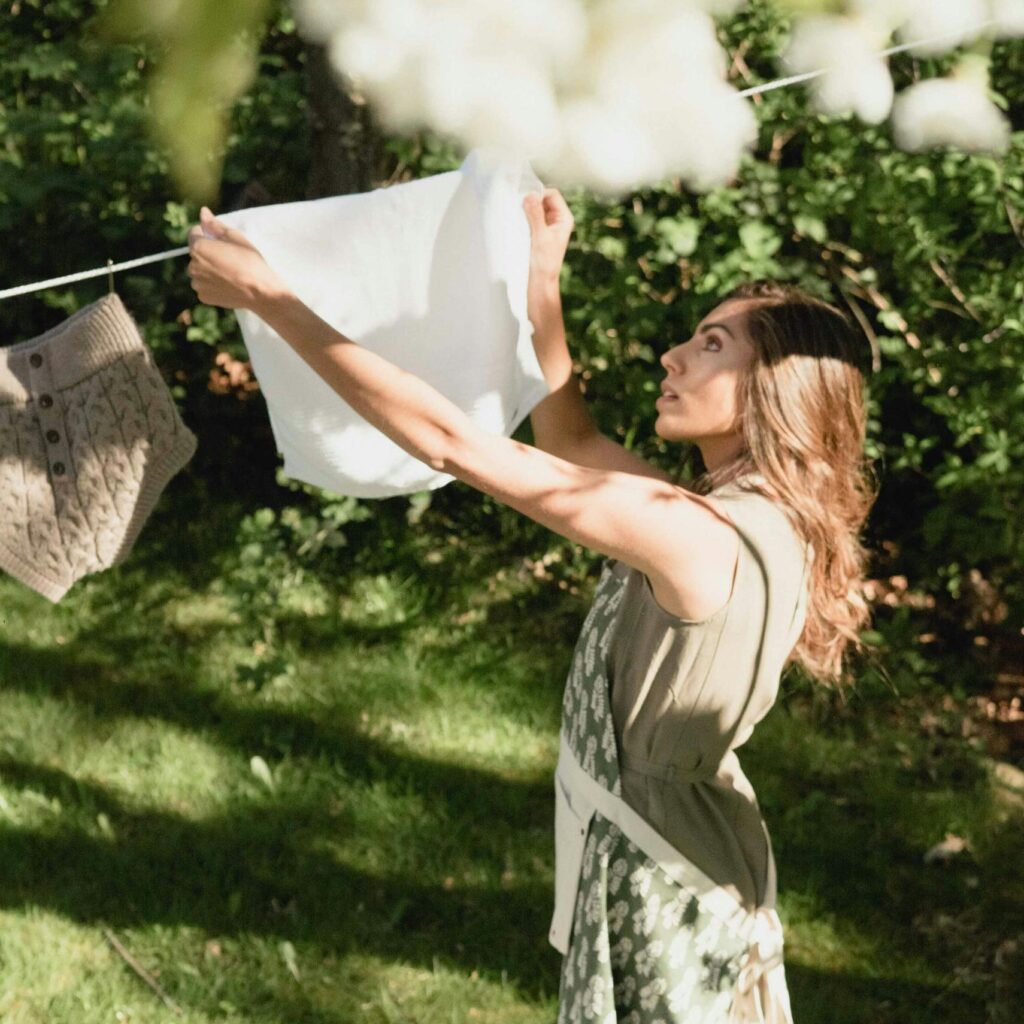
Dryers are brutal on clothes. The high heat breaks down fibers, causes shrinkage, and shortens the life of pretty much any fabric. Air drying is the way to go if you want your sustainable clothing to truly last.
Hang items on a drying rack, or lay delicate pieces flat. If you have to use a dryer, choose a low-heat or air-dry setting.
Store Clothes Properly
Caring for your clothes doesn’t stop at washing. How you store them matters too.
🌲 Fold heavier sweaters instead of hanging them so they don’t stretch out.
🌲 Use wooden or padded hangers for delicate pieces to avoid warping the fabric.
🌲 Keep your closet cool and dry to prevent mildew, moths, and musty smells.
Mend, Repair, and Repurpose
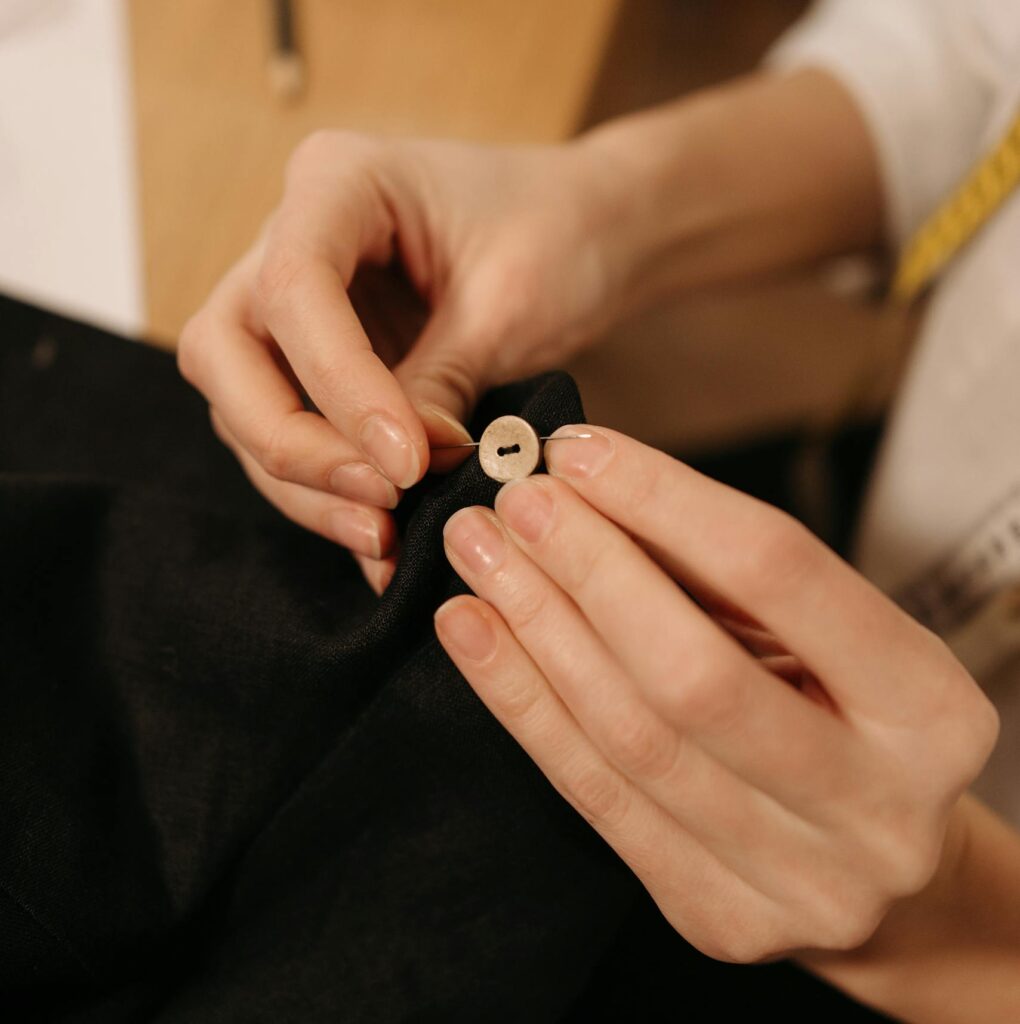
Small holes, missing buttons, or loose seams aren’t reasons to toss something. Learning a few basic mending skills (or finding a good tailor) can extend the life of your clothing by years.
And if a piece is beyond repair… get creative. Old t-shirts make great cleaning rags, and worn-out jeans can become cute tote bags or patchwork projects.
When you treat your sustainable clothing with care, it rewards you by lasting longer, looking better, and reducing the need to constantly buy new things. A little extra love goes a long way.