Ecotourism is a word that’s been used so many times, by so many tour operators, hotels, and travel companies, that it has almost lost all meaning. Walk through any travel booking site and you’ll see it everywhere. Eco-lodge. Eco-tour. Eco-certified. Eco-friendly experience. Most of the time, there’s very little behind it beyond a bamboo aesthetic and a sign asking you to reuse your towels.
So what does ecotourism actually mean? And how do you tell the real thing from a marketing exercise?

What It Is
The International Ecotourism Society defines ecotourism as “responsible travel to natural areas that conserves the environment, sustains the well-being of local people, and involves interpretation and education”.
Three things, all required together:
🌲 Conservation
🌲 Community Benefit
🌲 Education
That last part is important and gets left out most often. Real ecotourism isn’t just about being in nature. It’s about learning something, understanding the ecosystem you’re in, and leaving with a deeper appreciation for why it needs protecting. A resort in a rainforest with solar panels is not ecotourism. A guided visit to that same rainforest where a local naturalist teaches you about the species you’re seeing, and where your visit fee directly funds conservation programs, is much closer.
What It Isn’t
The gap between what ecotourism claims to be and what it often delivers is significant enough that researchers and travel writers have coined terms for it: “greenwashing in tourism”.
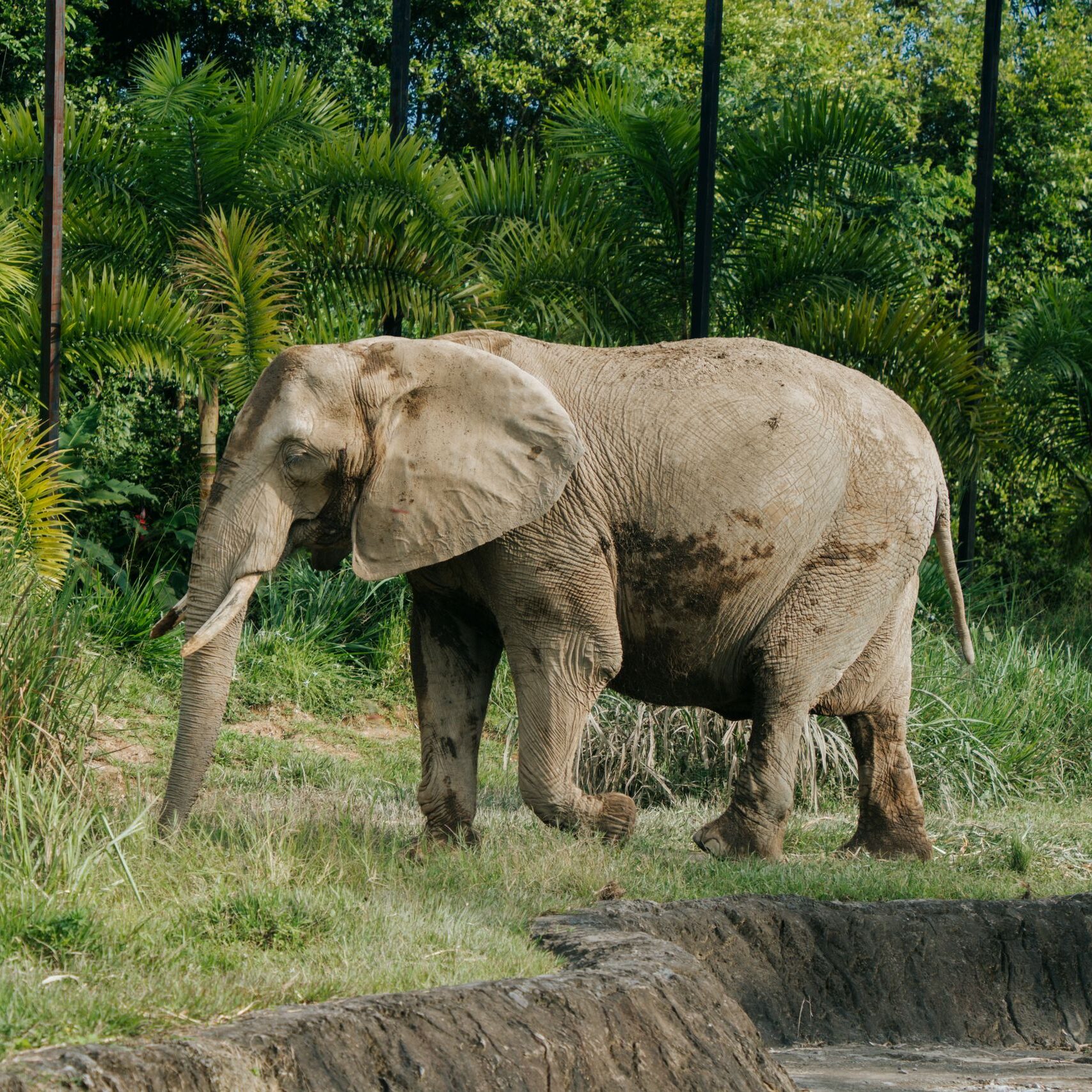
A hotel built in a natural area is not automatically ecofriendly just because it has a thatched roof and some potted plants in the lobby. A wildlife experience is not ethical just because it takes place outdoors. Elephant rides, lion cub petting, swimming with captive dolphins: all of these are routinely marketed as nature experiences and none of them qualify as ecotourism by any credible definition. These activities involve animals in captivity or distress, often with significant suffering behind the scenes.
Other common examples of tourism greenwashing: hotels that put recycling bins in rooms but send everything to the landfill anyway, carbon offset programs that don’t actually deliver verified emissions reductions, “community benefit” claims with no transparency about where money actually goes, and lodges built in sensitive habitats whose construction caused more damage than any number of tourist visits could justify.
How to Find the Real Thing
Costa Rica is the most cited successful example of ecotourism done properly. The country has a national certification system for sustainable tourism, has invested heavily in conservation, and has managed to make protecting its extraordinary natural areas economically worthwhile for local communities. It’s not perfect, but the infrastructure for genuine ecotourism exists there in a way it doesn’t in many other destinations.
More broadly, a few things to look for: third party certification from credible organizations like Rainforest Alliance, GSTC (Global Sustainable Tourism Council), or national certification organizations. Evidence that local communities are involved in and benefit from the tourism operation, not just employed as cheap labor. Transparency about where your money goes. Small group sizes. A genuine educational component rather than just a photo opportunity.
And if a tour operator or lodge can’t answer basic questions about their sustainability practices with specific, verifiable details, that tells you something too.
Why It Matters
When ecotourism actually works, it’s one of the most powerful conservation tools available. It creates direct financial incentives for communities to protect their natural environment rather than exploit it. Gorilla trekking programs in Rwanda and Uganda have been credited with significant increases in mountain gorilla populations because local communities now derive income from the animals being alive and wild rather than from poaching or land clearance. Community-led conservation projects in Ecuador and Kenya have protected habitats that would otherwise have been lost. The economic case for keeping natural areas intact is a powerful one, and ecotourism is one of the few things that makes it.
It’s important to be honest about what the word actually means, and to hold operators accountable to that standard rather than accepting a bamboo aesthetic as a substitute for it.