If you’ve spent any time looking at beauty products through a sustainability or ethics lens, you’ve definitely come across both of these terms. Cruelty-free. Vegan. They get used interchangeably all the time, even by brands that really should know better. But they actually mean two completely different things, and understanding the difference matters a lot if you care about what goes into your products and how they were made.
The short version: a product can be cruelty-free without being vegan, and it can be vegan without being cruelty-free. Yes, really. Let me explain.
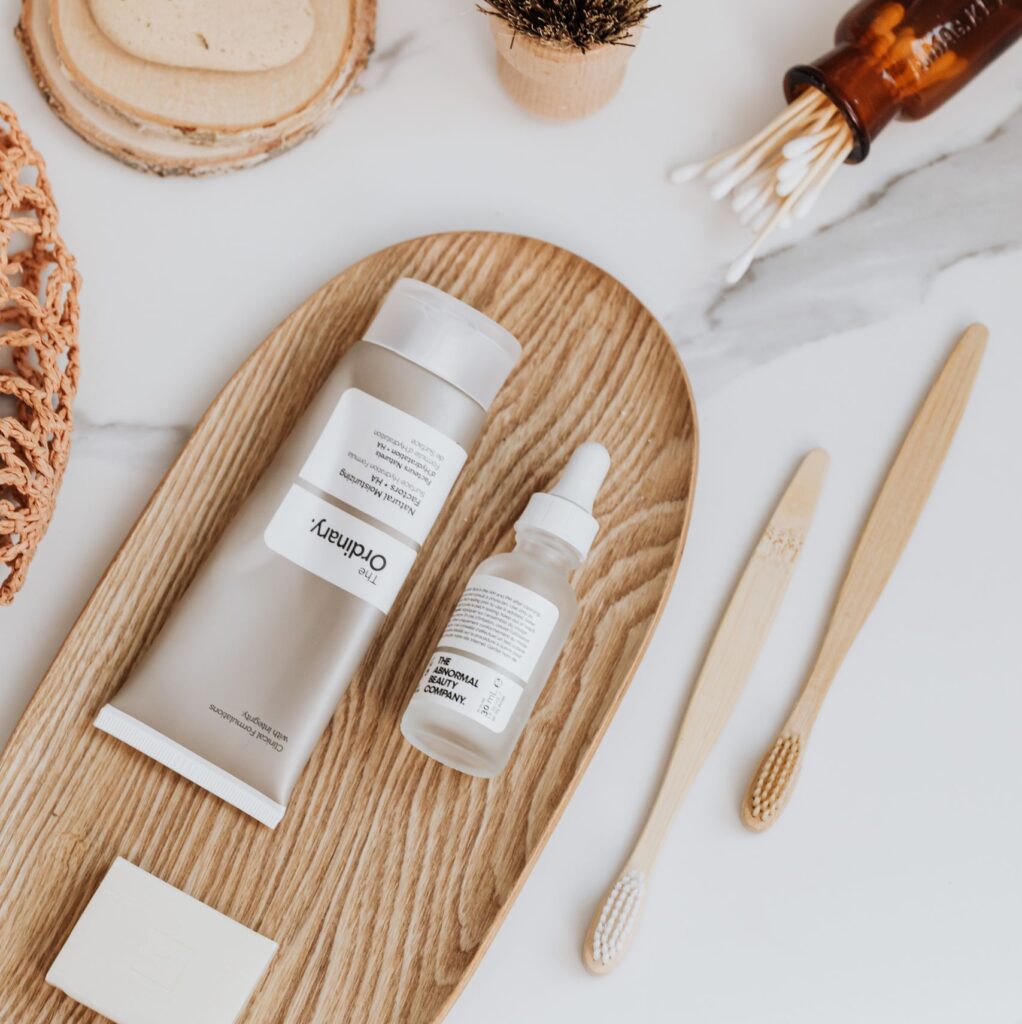
What does cruelty-free actually mean?
Cruelty-free means the product and its ingredients were not tested on animals at any point during development. No rabbits, no mice, no rats having chemicals dripped in their eyes. That’s what you’re avoiding when you buy cruelty-free.
What it does NOT mean is that the product contains no animal-derived ingredients. A moisturizer could be cruelty-free and still contain beeswax, lanolin (from sheep’s wool), collagen (from animal bones and connective tissue), or carmine (a red pigment made from crushed beetles, which is in more products than you’d think). None of those involve animal testing, but they all involve animals.
The two most widely recognized certifications are Leaping Bunny (run by a coalition of animal protection organizations) and PETA’s Ultimate Cruelty-Free List (formerly called Beauty Without Bunnies). Leaping Bunny is generally considered the more rigorous of the two because it requires independent audits of the entire supply chain. Worth knowing: PETA’s program has recently gone through significant changes and currently only certifies brands selling in the US, Canada, Germany, and India, so it’s less useful as a global standard than it used to be. Leaping Bunny remains the most reliable certification to look for regardless of where you are in the world.
One important catch: if a brand sells in mainland China, it has historically been required to conduct animal testing on imported cosmetics by law, which would disqualify them from being considered cruelty-free regardless of what their packaging says. This has been changing gradually since 2021 as China has started allowing some exemptions for certain product categories, but it’s still worth checking whether a brand you love sells there and what their position on it is.
What does vegan mean in beauty?
Vegan beauty means the product contains no animal-derived ingredients or byproducts whatsoever. No beeswax, no honey, no lanolin, no collagen, no silk proteins, no carmine, no keratin. Nothing that came from an animal.
What vegan does NOT necessarily mean is that the product was not tested on animals. A completely plant-based formula could still have been tested on animals at some point in its development. Unlikely, but technically possible.
Vegan beauty also has no single legal definition, though certifications like The Vegan Society‘s trademark provide a reliable standard to look for.
So which one should you look for?
Honestly, both. A product that is both certified cruelty-free AND certified vegan is the most ethical choice from an animal welfare perspective. These products contain no animal ingredients and were not tested on animals at any stage. Many brands in the clean beauty space meet both standards, so it’s not as hard to find as it used to be.
If you have to choose one, it depends on your priorities. If animal testing is your main concern, prioritize cruelty-free with a Leaping Bunny certification. If avoiding all animal products is your priority (which as a vegan is probably where you’re at), look for vegan certification alongside a cruelty-free label.
A few ingredients to watch out for
If you’re trying to avoid animal-derived ingredients in your beauty routine, here are some of the most common ones that show up in otherwise “natural” looking products:
🌲 Carmine / CI 75470: a red pigment made from crushed cochineal beetles, widely used in lipsticks and blushes
🌲 Lanolin: derived from sheep’s wool, common in lip products and moisturizers
🌲 Beeswax / Cera Alba: used in balms, mascaras, and solid products
🌲 Collagen: usually sourced from animal bones, skin, and connective tissue
🌲 Keratin: typically derived from animal hair, hooves, or feathers
🌲 Squalene: can be plant-derived (from olives or sugarcane) but has historically been sourced from shark liver oil. Always worth checking the source.
🌲 Silk / Hydrolyzed Silk: from silkworms
🌲 Gelatin: derived from animal bones and skin, sometimes used in nail products
Cruelty-free and vegan are not the same thing, and neither term alone tells the whole story. The cleanest option is a product that is both, with an actual third-party certification behind each claim rather than just a label a brand printed on their own packaging.
The beauty industry has come a long way on this in the last decade, and there are now genuinely excellent products at every price point that meet both standards. So you really don’t have to choose between ethics and a great product anymore.