If you spend a lot of time outdoors and think about sustainability, you’ve probably already started thinking about eco-friendly clothing and gear. But sports equipment is a category that doesn’t get nearly enough attention in these conversations, and it probably should.
Think about how much plastic goes into making a single soccer ball. How many yoga mats made from PVC end up in the landfill. How many pairs of skates get thrown away because one part broke and replacements aren’t sold separately. Sports equipment has a real environmental footprint, and some brands are finally starting to take that seriously.
But here’s the honest caveat upfront: truly biodegradable sports equipment is still pretty niche. Most brands in this space are working with recycled materials, responsible sourcing, and lower-impact manufacturing rather than complete biodegradability, and that’s worth being transparent about. But there are nevertheless some seriously exciting things happening across a surprising range of sports right now.
Here’s what’s out there this summer:
Ball Sports
Eco Sports makes soccer balls from biodegradable TPU. It’s a vegan, non-toxic material that replaces the conventional PVC and composite leather used in most balls. No animals harmed, no materials that’ll sit in the landfill for centuries. They even ship their balls deflated on purpose to reduce the space and fuel needed for shipping, which is a little detail that shows that they’re really trying. Their balls are available in various sizes for all ages.
🌍 US-based, ships internationally
Select Planet ECO takes a different approach. Their Planet ball is made from recycled PET plastic bottles, with 11 bottles going into each ball. About 60% of the ball is natural or recycled materials, with a natural latex bladder from rubber trees. Select is a well-established soccer ball brand so you definitely don’t have to sacrifice performance for sustainability here.
🌍 Denmark-based, available globally
Wilson’s Gen Green collection covers basketballs, volleyballs, and soccer balls, all made using a combination of repurposed plastic, recycled rubber, and a bio-based sugarcane material that’s new to sports equipment. The performance is reportedly identical to their standard range, just with a significantly lower environmental footprint. A good mainstream option if you want something easy to find.
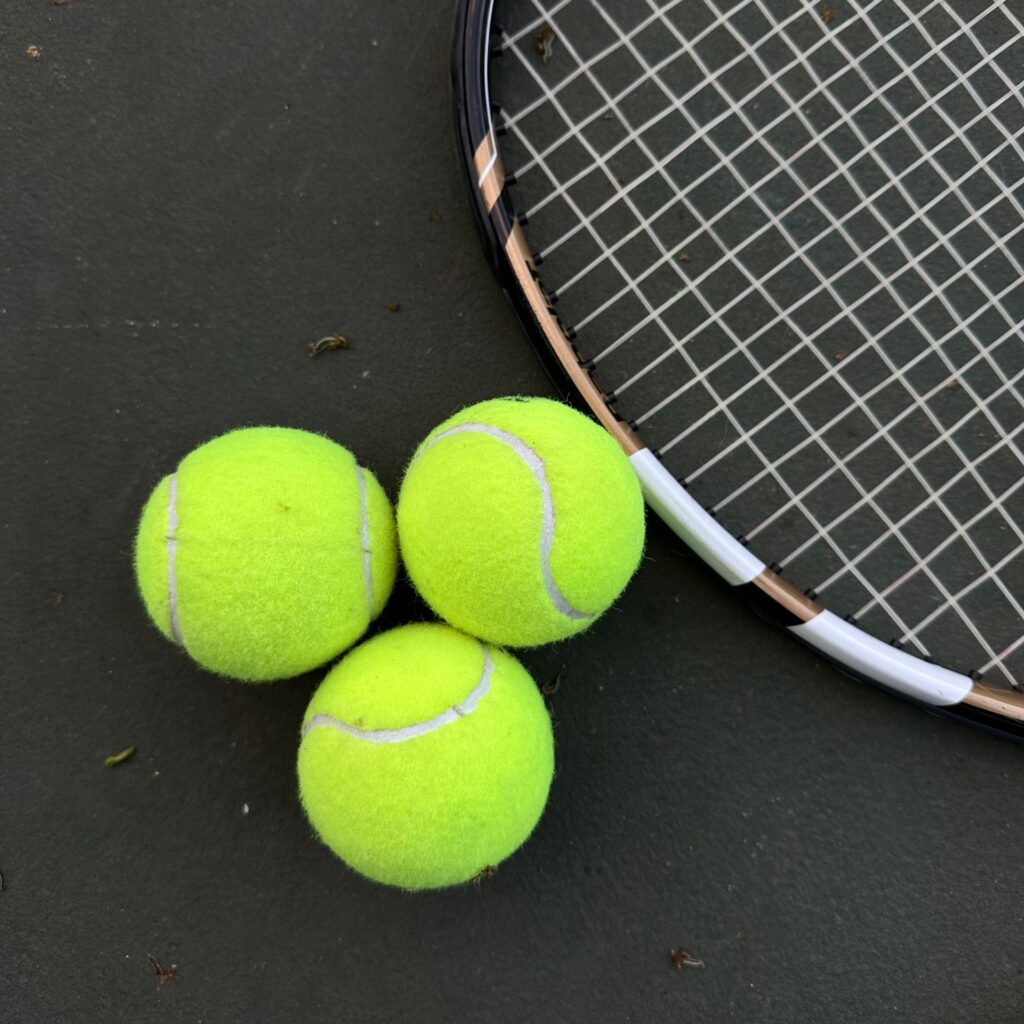
Wilson Triniti balls are also worth mentioning. They were the first eco-conscious high-performance tennis ball, using a unique plastomer material for longer-lasting durability and coming in fully recyclable cardboard packaging instead of plastic canisters.
🌍 US-based, available globally
Velociti Tennis made history in 2022 by creating the world’s first fully biodegradable synthetic tennis string, addressing the fact that tens of thousands of pounds of tennis string end up in landfills every year where they’ll sit for 400 to 600 years. Their Catalyst string is 100% biodegradable and they plant one tree for every 10 sets sold. They also offer unpackaged string options to reduce packaging waste.
🌍 US-based, ships internationally
RecycleBalls is a US-based non-profit organization that collects used tennis balls from clubs and repurposes them into tennis court surfaces and rubber mulch. So it’s not a product you can buy, but still worth knowing about. Many clubs participate and it’s a simple way to make sure your old balls don’t end up in the landfill.
🌍 US-based
Skating
Element is a US/France-based skateboard brand that has been vocal about environmental activism since it was founded in 1992. Their Conscious by Nature line is the one worth checking out – those decks use FSC-certified maple from responsibly managed forests in Canada, which Element says reduces the climate impact of the deck by 16% compared to conventional sourcing. They also donate 1% of skateboard hardgoods sales to environmental organizations through their Branch Out reforestation program.
One honest caveat: not every Element deck is FSC certified – it’s specifically the Conscious by Nature collection, so look for that label when shopping.
🌍 US/France-based, available globally
Bureo started as a fishing net recycling initiative in Chile and now makes skateboards and longboard components from those recovered nets. Their Maptillo cruiser is made entirely from recycled fishing nets, genuinely circular, and a really interesting story behind the product.
🌍 US/Chile-based, ships internationally
Powerslide has been quietly doing impressive sustainability work in the inline skating world. Their fitness skate shells are made from recycled plastics, their protective gear uses recycled materials throughout, and they package their wheel sets in reusable bags and boxes rather than single-use plastic. They also partner with Ecologi to plant trees with purchases and have an ongoing Greenline project developing skates from renewable raw materials.
🌍 Germany-based, available globally
Yoga
Jade Yoga was the first yoga mat brand to use natural rubber instead of PVC, and they remain one of the best options around. Their mats are made from tapped natural rubber with no synthetic materials and are fully biodegradable at the end of their life. For every mat sold they plant a tree, over two million planted so far.
🌍 US-based, available globally
Manduka eKO mats are made from biodegradable tree rubber using chemical-free foaming agents and non-azo dyes. No PVC, no harmful plasticizers, and all post-industrial scrap from manufacturing is repurposed rather than going to waste. It’s a brand that yoga teachers have trusted for years.
🌍 US-based, available globally
Liforme makes natural rubber mats with an eco-polyurethane surface, no toxic glues or inks, and is a certified B Corp. They even ship by sea rather than air to reduce emissions, which is pretty cool and shows they’ve thought about the full lifecycle of their product.
🌍 UK-based, available globally
Swimming
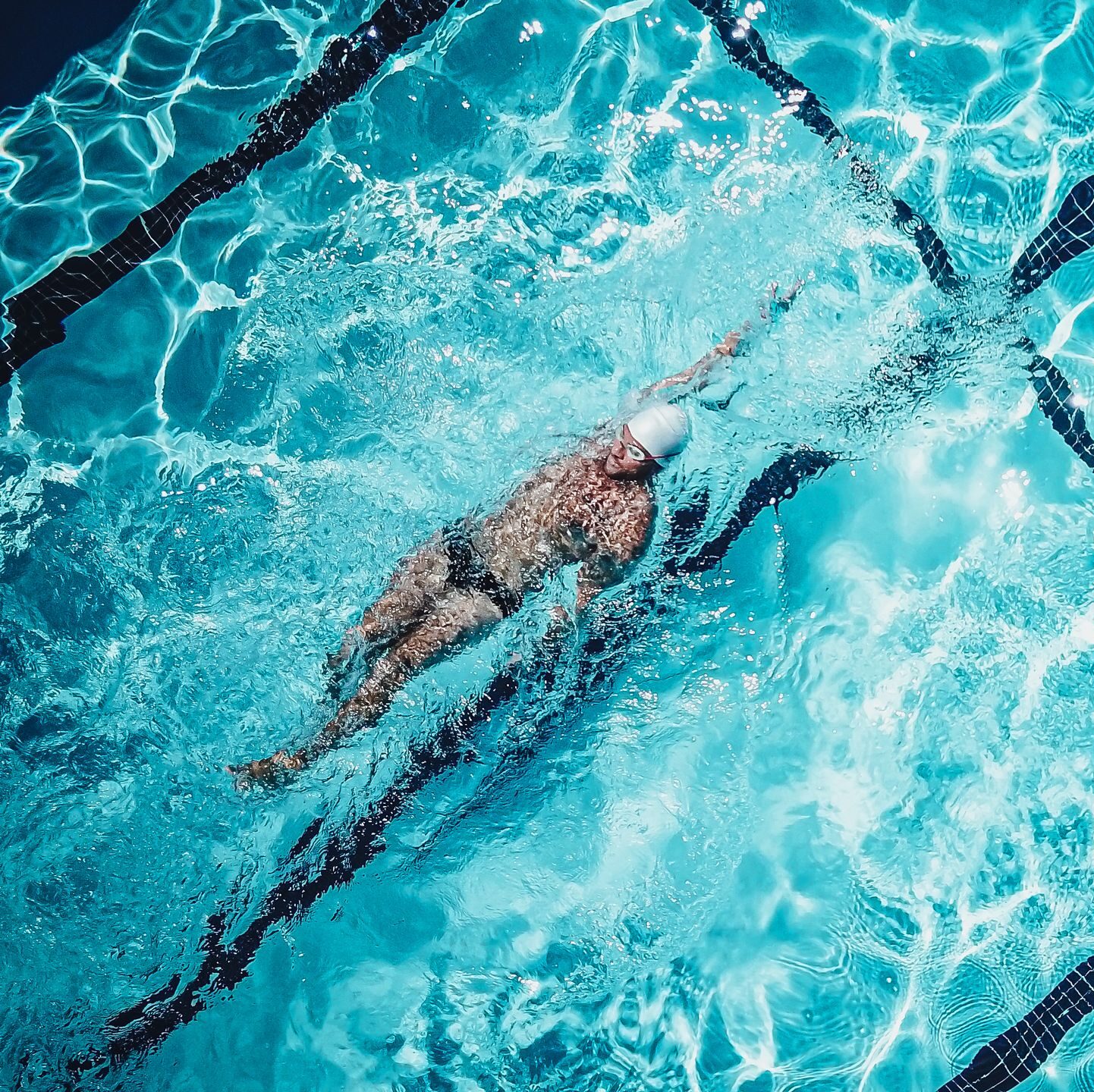
Zoggs makes goggles using their Ecolast+ fabric, which upcycles discarded plastic bottles and ocean-recovered fishing nets and industrial waste into high-quality swim gear. A mainstream brand that’s genuinely integrating recycled materials into performance products rather than just talking about it.
🌍 Australia/UK-based, available globally
Watery makes swim goggles using eco-friendly materials including recycled and sustainable components, with UV-protective lenses and adjustable silicone straps. A growing Scandinavian brand with strong sustainability focus across their swim accessories range.
🌍 Denmark-based, ships internationally
For swim caps specifically, look for ones made from natural latex or recycled silicone rather than standard silicone or synthetic rubber. The Watery Eco Signature Swim Cap uses 30% recycled silicone, and Patagonia’s R3 Yulex Cap uses plant-based Yulex rubber, a lower-impact alternative to neoprene.
Footwear
Veja makes running shoes using recycled plastic bottle uppers, a midsole containing rice waste and sugarcane, organic cotton, and wild Amazonian rubber. They publish a full materials breakdown for every shoe on their website, which is rare and refreshing. Certified B Corp, manufactured in Brazil under strong social standards.
🌍 France-based, available globally
Allbirds built their whole brand around natural materials like merino wool, FSC-certified eucalyptus fiber, and sugarcane-based foam soles. Their Tree Dasher running shoe is carbon neutral, and they publish carbon footprint labels on every product. Comfortable, well-made, and truly low-impact.
🌍 US/NZ-based, available globally
Hylo Athletics is a smaller brand making running shoes from corn, sugarcane, and natural rubber. Worth knowing about if you want something beyond the two bigger names above and want to support a brand that’s been built around this from the ground up.
🌍 UK-based, ships internationally
It’s worth being cautious when brands use the word “biodegradable” for footwear and equipment specifically. Many materials only break down under specific industrial composting conditions that aren’t widely available, so a “biodegradable” shoe won’t necessarily decompose if it ends up in a regular landfill. The most honest brands acknowledge this rather than leaning on the word as a marketing shortcut.
The bigger picture is longevity. A well-made piece of sports equipment that lasts ten years almost always has a lower environmental footprint than a “biodegradable” one built to fall apart in two.