I don’t know about you, but I get a weird amount of satisfaction from finding a second life for something that would otherwise end up in the recycling bin (or worse, the trash). It almost feels like beating the system a little.
And reusing things is one of the easiest ways you can live more sustainably. We spend a lot of time talking about buying eco-friendly products (which absolutely has its place), but the most sustainable thing is often simply using what we already have.
Not every item can or should be reused forever, of course. But there are so many everyday things that still have plenty of life left in them if we get a little creative.

Here are some of my favorite ideas that I’ve either tried myself or have been meaning to incorporate into my own routine:
1. Turn glass jars into food storage
This is probably the reuse habit I’ve stuck with the longest.
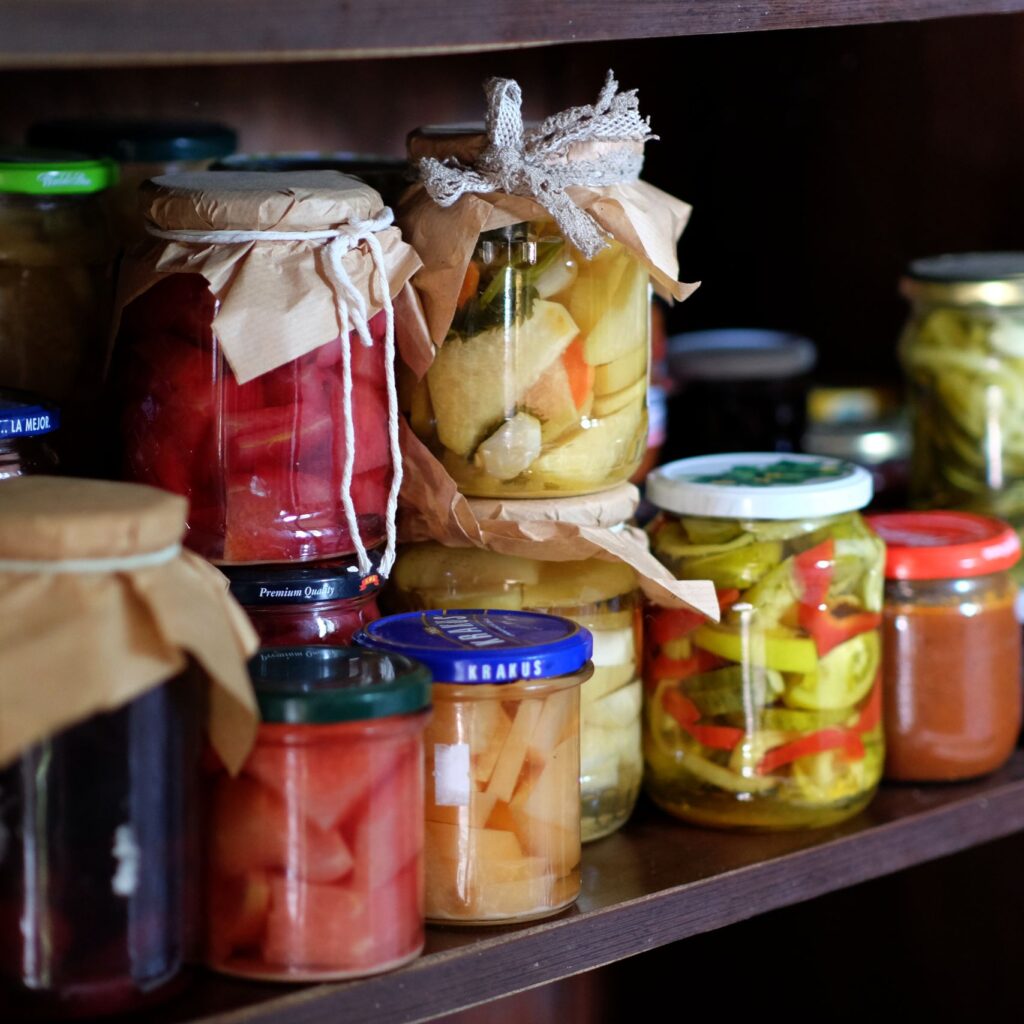
Pasta sauce jars, jam jars, pickle jars… after a good wash, they’re perfect for storing everything from rice and oats to homemade granola, dried beans, nuts, or even leftovers.
I also use smaller jars for homemade salad dressings and overnight oats.
They’re super stackable and they look nice on your shelf!
2. Use old t-shirts as cleaning cloths
Before you donate an old t-shirt that’s stained or full of holes, ask yourself if anyone would actually wear it.
If not, cut it into squares.
Old cotton shirts make amazing cleaning rags for dusting, washing windows, cleaning the bathroom, or wiping muddy dog paws after a hike. They’re softer and far more absorbent than paper towels, and they can be washed hundreds of times.
3. Save citrus peels for natural cleaning
Instead of throwing away orange or lemon peels, soak them in white vinegar for a couple of weeks.
The result is a fresh-smelling all-purpose cleaner that’s perfect for kitchen counters, sinks, and glass. It smells much nicer than plain vinegar and helps use every part of the fruit.
4. Give plant pots a second life
I know it’s tempting to buy matching ceramic pots for every houseplant (trust me), but nursery pots are incredibly reusable.
Keep them for propagating cuttings, starting seedlings, dividing plants, or gifting plants to friends.
You’d be surprised how quickly they come in handy.
5. Freeze vegetable scraps for homemade broth
Carrot peels, onion ends, celery leaves, mushroom stems…
Instead of throwing them away, keep a container in your freezer and add scraps as you cook.
Once it’s full, simmer everything with herbs and you’ll have a delicious homemade vegetable broth almost for free.
6. Repurpose cardboard boxes for the garden
Plain cardboard boxes make excellent weed barriers in raised beds and garden paths.
Cover them with mulch, and they’ll slowly break down while helping suppress weeds. They’re also useful as a carbon-rich “brown” material if you compost.
Just remove any plastic tape first.
7. Give old mugs a new life as planters
If you’ve got a chipped mug that you’d never drink from again, don’t throw it away just yet.
Old mugs make adorable little planters for succulents, herbs, or propagated plant cuttings. I also like using them to root pothos or spider plants on my windowsill. They’re much prettier than a plain glass jar.
It’s a simple way to rescue something that might otherwise end up in the trash while adding a little more greenery to your home.
8. Turn worn towels into pet towels
If your bath towels are looking a little rough or threadbare, they probably still have plenty of life left.
If you have a dog (like me!), older towels are perfect for drying muddy pups after rainy walks, cleaning up spills, or protecting car seats after hiking trips.
9. Reuse gift bags and wrappiing paper
Gift bags are one of those things that can pretty much always be reused.
I keep a small drawer with tissue paper, ribbon, gift bags, and boxes from birthdays and holidays. It saves money, looks just as nice, and means buying less every year.
10. Grow new plants from kitchen scraps
Not everything can be regrown, but there are quite a few vegetables that can.
Green onions, lettuce, celery, and herbs can all produce new growth from scraps with a little water and sunlight. It’s not going to replace a vegetable garden, but it’s a start.
11. Keep shipping boxes for future use
If you’re selling things secondhand, sending gifts, or moving house, those sturdy delivery boxes suddenly become incredibly useful.
I try to flatten and store a few good-quality boxes before recycling the rest.
12. Make beeswax wraps last longer
If you already use beeswax wraps, don’t throw them away the moment they stop sticking.
Many can be refreshed by gently melting new beeswax into the fabric, giving them another year or two of life before they eventually wear out.
13. Repair before you replace
This might not sound as exciting as a DIY project, but it may be the most impactful habit on this list.
Sew a loose button back on. Glue a cracked flower pot. Replace a backpack buckle. Sharpen your gardening tools. Patch up your favorite jeans.
We’ve become so used to replacing things that it’s easy to forget how many items can actually be repaired with just a few minutes of effort.
Sometimes the most sustainable purchase is the one you never have to make.
None of these ideas are going to save the planet on their own.
But I think that’s kind of the point. Living more sustainably isn’t usually about making one huge change. It’s about building small habits that slowly become second nature.
I know I’ve gradually accumulated a collection of glass jars, old towels for muddy adventures, and far too many nursery pots waiting for my next plant project. They might seem like little things, but together they’ve helped me buy less, waste less, and appreciate what I already have.