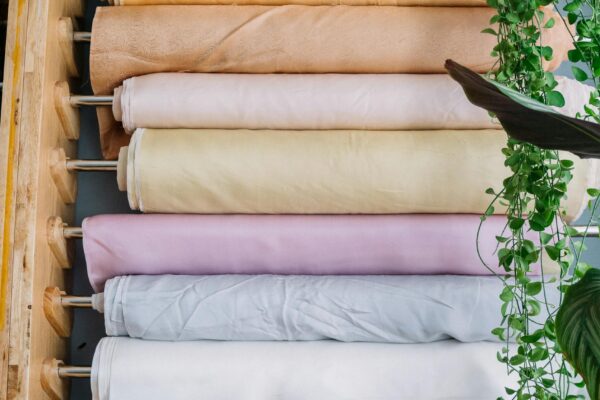
Cotton is everywhere.
It’s in our t-shirts, jeans, socks, bedding, underwear, towels… basically half the things we touch every single day. And because cotton is a natural fiber, a lot of people assume it’s automatically sustainable.
But unfortunately, conventional cotton production can actually be incredibly resource-intensive.
I was shocked when I first learned just how much water, pesticide use, and soil degradation can be tied to conventional cotton farming. It’s one of those things that sounds harmless on the surface because it’s “natural,” but the reality is a little more complicated than that.
At the same time, organic cotton has become kind of a buzzword lately, and like a lot of sustainability terms, it can sometimes feel vague or confusing. Is it actually better? Is it just marketing? Does it really make a meaningful difference?
So let’s break it down in a way that’s actually understandable.
What is conventional cotton?
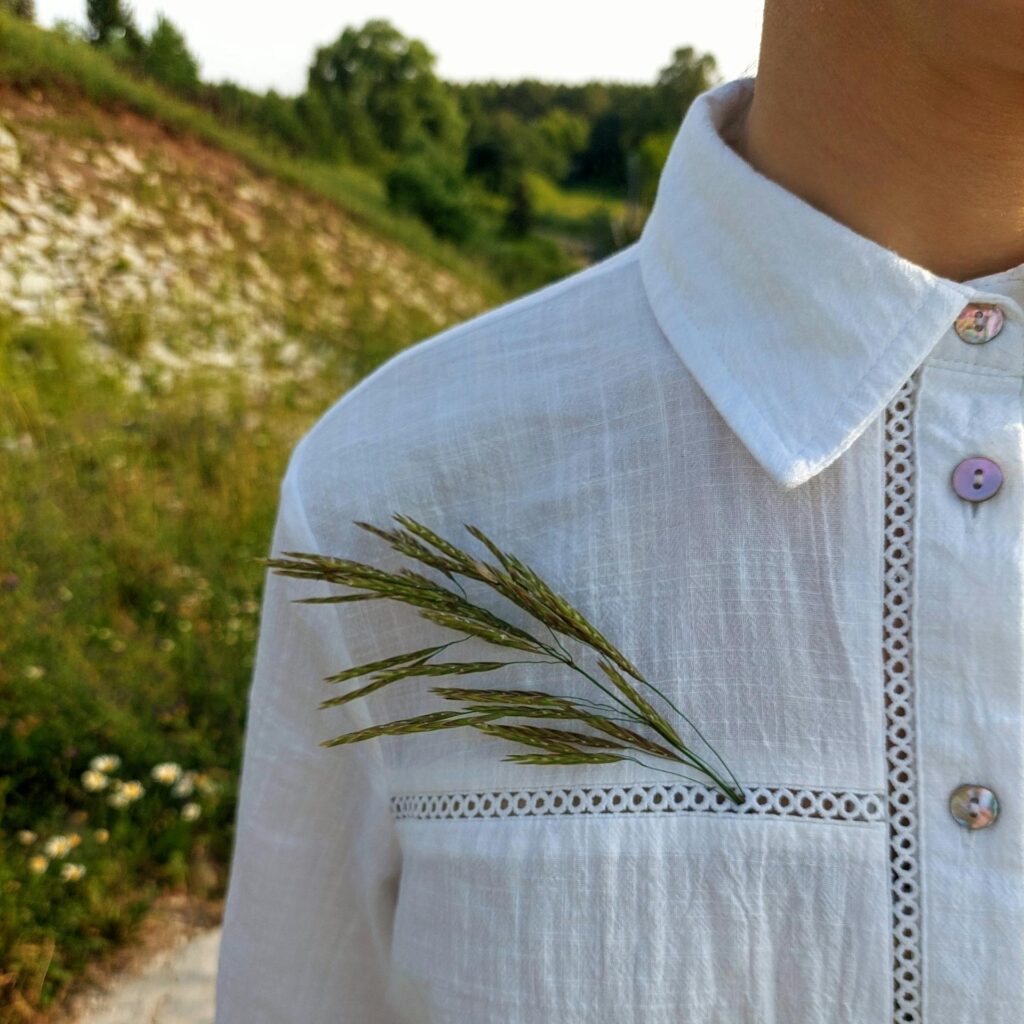
Conventional cotton is cotton grown using synthetic pesticides, herbicides, chemical fertilizers, and genetically modified seeds. It’s the standard type of cotton used throughout most of the fashion industry.
The problem is that cotton is a very delicate crop, which means it’s often sprayed heavily with chemicals to protect it from insects and disease.
And although cotton only uses a relatively small percentage of the world’s agricultural land, it accounts for a surprisingly large amount of pesticide use globally.
Some of the biggest environmental concerns with conventional cotton include:
🌲 Heavy pesticide and insecticide use
🌲 Soil degradation over time
🌲 High water consumption in certain growing regions
🌲 Water pollution from agricultural runoff
🌲 Harm to biodiversity and pollinators
🌲 Health risks for farmers exposed to chemicals
Not all conventional cotton is produced the same way, of course. Farming practices vary enormously depending on the country, climate, and regulations. But overall, conventional cotton production tends to prioritize high yields and low costs over long-term environmental health.
What is organic cotton?
Organic cotton is grown without synthetic pesticides, herbicides, or genetically modified seeds. Instead, organic farms rely on more natural methods to maintain soil health and manage pests.
This can include things like:
🌲 crop rotation
🌲 composting
🌲 natural pest control
🌲 healthier soil management practices
The goal is to work more with the ecosystem rather than constantly forcing production through chemicals.
Organic farming also tends to focus more heavily on long-term soil health, which honestly matters a lot more than most people realize. Healthy soil stores carbon better, retains water more effectively, and supports biodiversity.
Does organic cotton use less water?
This is where things get a little nuanced.
You’ll often see claims online that organic cotton uses dramatically less water than conventional cotton. Sometimes that’s true, but not always in the simple way people think.
Organic cotton can reduce irrigation needs because healthier soil retains moisture better. However, cotton itself is still a fairly water-intensive crop in many climates, whether it’s organic or not.
A huge factor is actually where the cotton is grown.
Rain-fed organic cotton grown in suitable climates can have a much lower environmental footprint than heavily irrigated conventional cotton grown in dry regions.
So the conversation is really about:
🌲 farming methods
🌲 soil health
🌲 irrigation practices
🌲 regional climate
…not just whether the cotton is labeled organic.
Is organic cotton softer?
Honestly… sometimes, yes.
Many people feel organic cotton is softer because the fibers may undergo less aggressive chemical processing. But softness also depends on:
🌲 weave
🌲 fabric weight
🌲 finishing treatments
🌲 garment quality
A cheap organic cotton shirt can still feel rough, while a high-quality conventional cotton fabric can feel incredibly soft.
Is organic cotton better for sensitive skin?
For some people, definitely.
Because organic cotton avoids many of the harsher chemicals used during farming, some people with sensitive skin find it more comfortable, especially in things like:
🌲 underwear
🌲 bras
🌲 bedding
🌲 baby clothing
That said, the final dyes and fabric processing matter too. A garment can technically be made from organic cotton but still contain problematic dyes or finishing chemicals later in production.
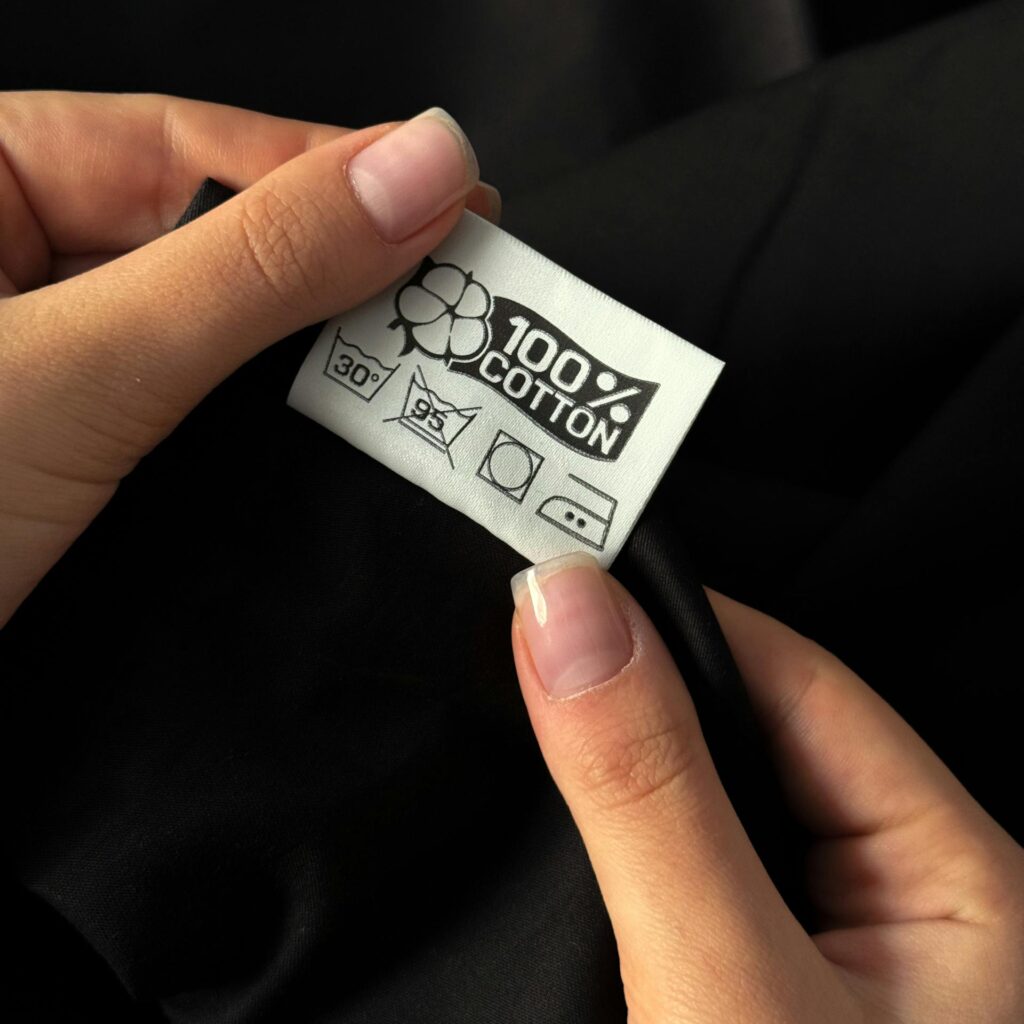
Is organic cotton more sustainable?
In general, yes – though it’s not perfect.
Organic cotton usually has advantages when it comes to:
🌲 pesticide reduction
🌲 soil health
🌲 biodiversity
🌲 lower chemical pollution
🌲 safer conditions for agricultural workers
But it’s important not to treat it as some magical perfect fabric.
Cotton still requires:
🌲 land
🌲 water
🌲 energy
🌲 transportation
🌲 processing
And sustainability also depends heavily on:
🌲 how long the clothing lasts
🌲 how often it’s worn
🌲 manufacturing conditions
🌲 dyeing and finishing processes
🌲 shipping distances
A long-lasting conventional cotton piece worn for 10 years may ultimately be more sustainable than a poorly made organic cotton item that falls apart quickly.
What certifications should you look for?
If you’re shopping for more sustainable cotton, these certifications can be helpful:
1. GOTS (Global Organic Textile Standard)
This is probably the gold standard for organic textiles. GOTS certification covers:
🌲 organic fiber content
🌲 chemical restrictions
🌲 environmental criteria
🌲 worker protections
If you see GOTS-certified cotton, that’s generally a very good sign.
2. OEKO-TEX®
This certification focuses more on harmful substances in the finished fabric rather than whether the cotton itself is organic.
3. Fair Trade Certified™
This focuses more on worker protections and ethical labor conditions.
Honestly, the best products often combine multiple certifications together.
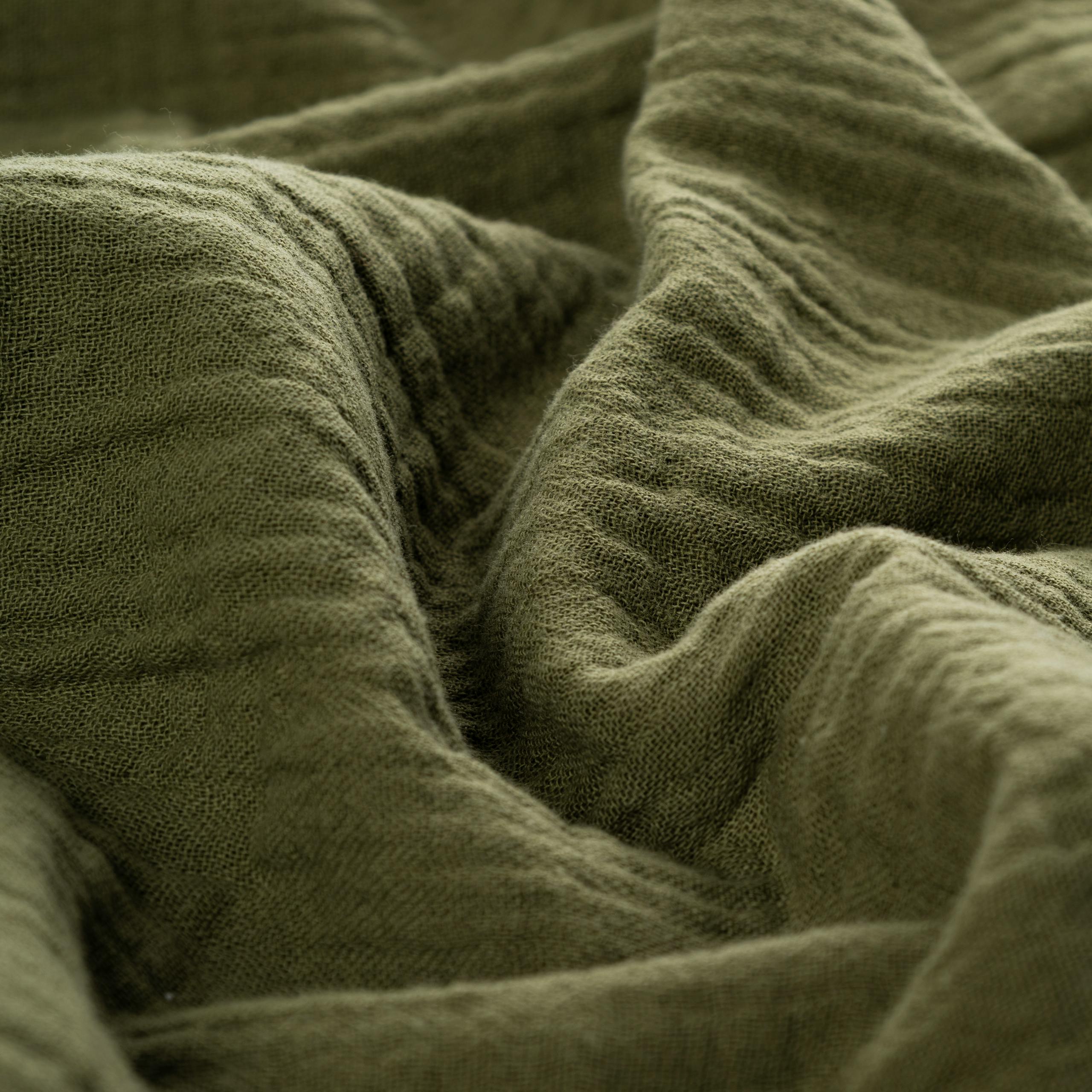
So… should you only buy organic cotton now?
I don’t think sustainability has to be all or nothing, all at once. Organic cotton is generally a better option when possible, especially for basics you buy frequently like:
🌲 t-shirts
🌲 underwear
🌲 bedding
🌲 towels
🌲 socks
But probably the most sustainable thing overall is simply buying fewer, better-made pieces that you’ll genuinely use for years.
I also think secondhand clothing deserves a huge mention here. Extending the life of existing cotton products can often have an even bigger environmental benefit than buying brand new “sustainable” items all the time.
At the end of the day, organic cotton isn’t perfect, but it is usually a step in a better direction. And learning about these materials helps make all the sustainability labels out there feel a little less confusing.