Switching to plant-based milk is one of those small everyday choices that can quietly add up to a real impact. That said, not all plant milks are created equal. Some are much easier on the planet than others, and some just work better in certain cases. Here’s a clear breakdown of the most common plant-based milks, how they compare environmentally, and where each one shines.

Why Dairy Milk Is the Least Sustainable Option
Before getting into plant-based milks, it’s worth talking about dairy – because compared to every option below, cow’s milk consistently has the highest environmental and ethical costs.
From a climate perspective, dairy milk has one of the largest carbon footprints of any everyday food. Cows produce methane, a greenhouse gas far more potent than CO₂, and the land required for grazing and growing feed drives deforestation, water depletion, and biodiversity loss. Producing dairy milk also uses significantly more water than plant-based alternatives.
Ethically, dairy is hard to justify. Milk production depends on repeated forced pregnancies, early calf separation, and ultimately slaughter once production declines. Even on so-called “small” or “humane” farms, these practices are standard across the industry.
And from a health standpoint, many adults are lactose intolerant, and dairy can be inflammatory and hard to digest. Once you step back, it’s hard not to see cow’s milk as something our society has normalized rather than something our bodies or the planet actually need.
If you’re looking for a milk that’s better for animals, climate, and your own health, plant-based options are an easy upgrade.
Plant-Based Milk Alternatives
1. Oat Milk
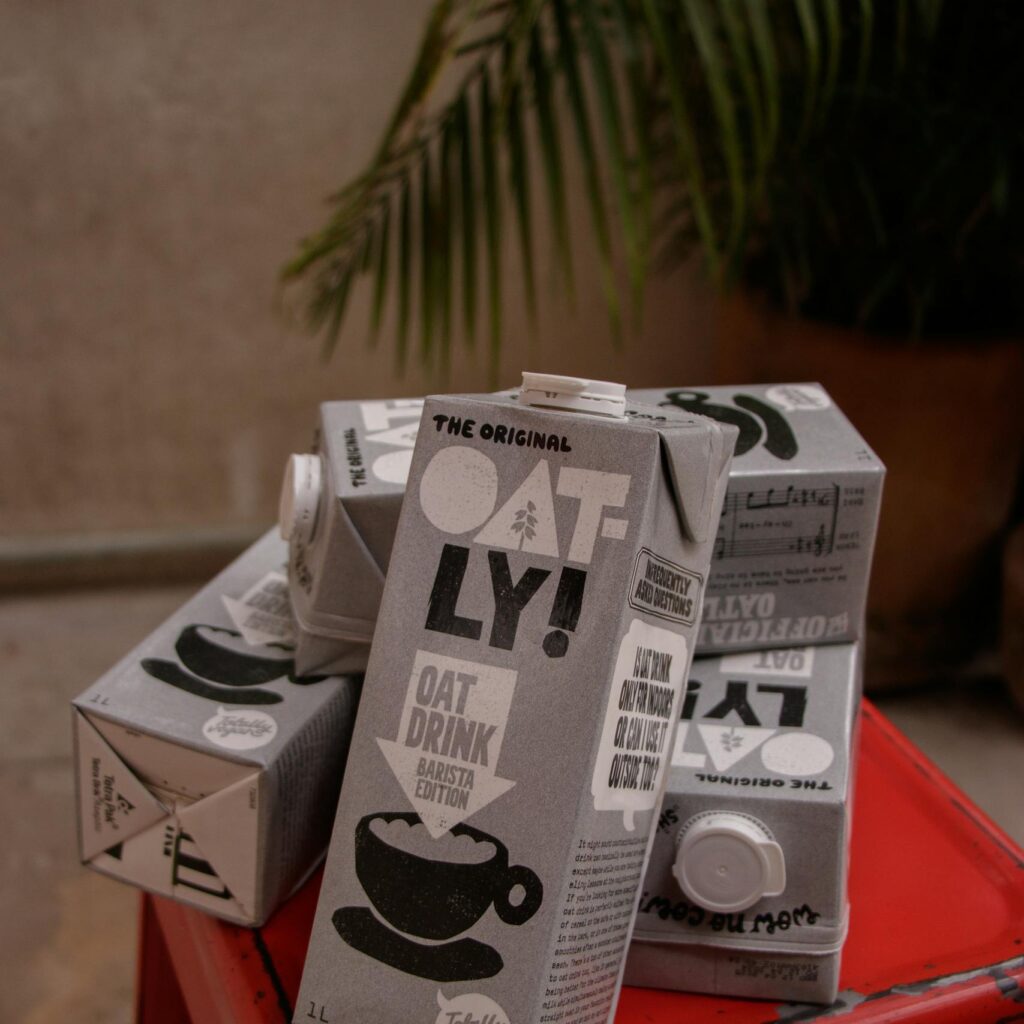
Oat milk consistently comes out on top when it comes to sustainability. Oats require relatively little water, grow well in cooler climates, and usually don’t rely on intensive irrigation. They also tend to be grown closer to where oat milk is consumed, which helps keep transport emissions lower.
From a practical standpoint, oat milk is hard to beat for coffee. It froths beautifully, has a naturally creamy texture, and doesn’t overpower espresso. It’s my personal go-to when it comes to cappuccinos.
Environmental notes: Low water use, low land use, lower emissions than most alternatives.
2. Soy Milk
Soy milk is one of the original dairy alternatives, and environmentally it’s still a strong option. Soybeans are protein-rich and efficient to grow, meaning they deliver a lot of nutrition for relatively low land use.
The main concern people raise is deforestation, but most soy grown for human consumption is not the same soy used for animal feed. Choosing organic or European-grown soy can reduce concerns even further.
Environmental notes: Low land use and emissions, moderate water use.
3. Almond Milk
Almond milk is popular for its light taste and versatility, but it comes with a major drawback: water use. Almonds are extremely thirsty crops, and a large portion are grown in drought-prone regions like California.
While almond milk still has a lower footprint than dairy overall, it’s not the most climate-friendly plant milk, especially in water-scarce areas.
Environmental notes: Very high water use, low land use, moderate emissions.
4. Rice Milk
Rice milk is naturally sweet and allergy-friendly, but it’s one of the weaker options environmentally. Rice farming requires a lot of water. It also produces significant methane due to flooded paddies creating oxygen-poor conditions where microbes decompose organic matter, releasing methane as a potent greenhouse gas.
It can still make sense for people with multiple food sensitivities, but from a sustainability standpoint, it’s not a top pick.
Environmental notes: High water use, higher emissions due to methane.
5. Coconut Milk
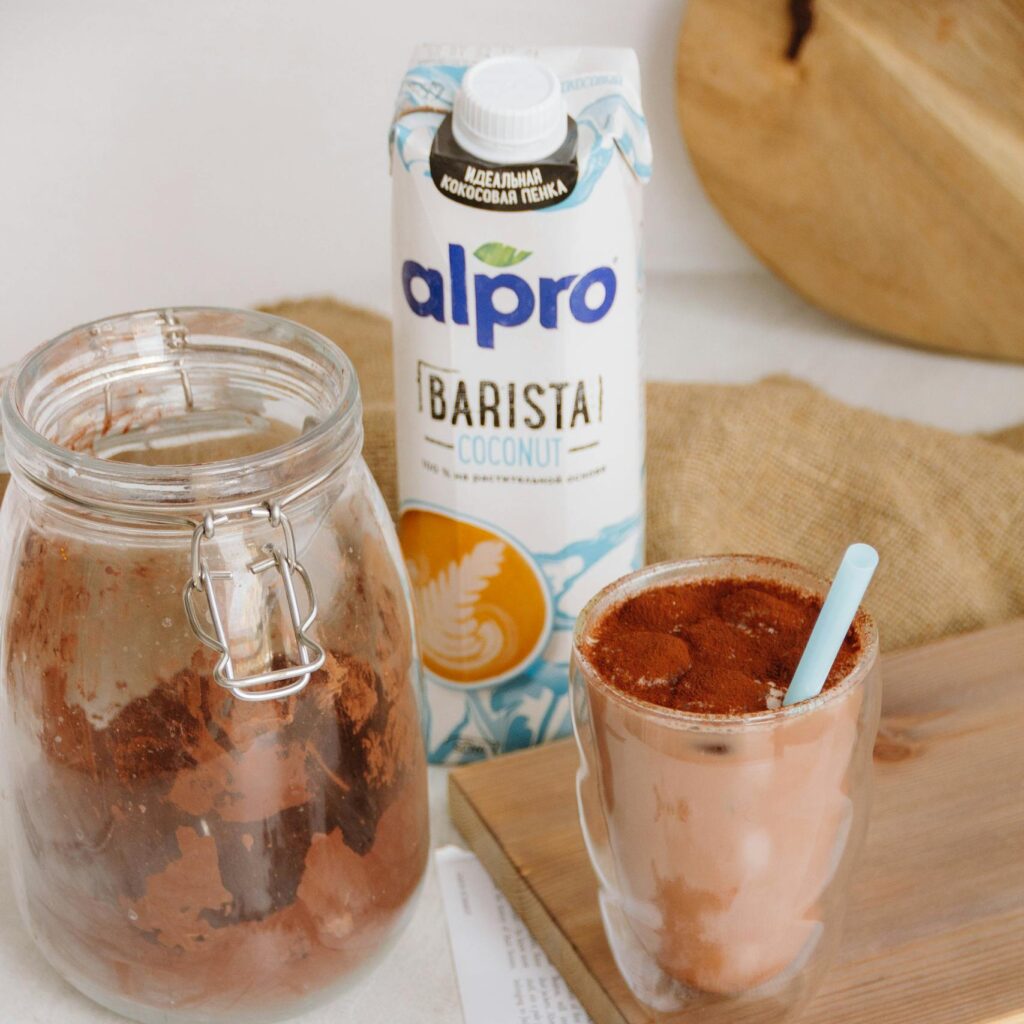
Coconut milk beverages use far less coconut than canned coconut milk, but sustainability is mixed. Coconut palms themselves don’t require much water, which is a plus, but coconuts are typically grown far from where they’re consumed, increasing transport emissions.
There are also labor and ethical concerns in some coconut-producing regions, so sourcing matters.
Environmental notes: Low water use, higher transport emissions.
6. Pea Milk
Pea milk is a newer option that’s gaining traction, and for good reason. Peas fix nitrogen in the soil, which reduces the need for synthetic fertilizers, and they require relatively little water.
The taste can be divisive, but nutritionally and environmentally, pea milk is a strong contender.
Environmental notes: Low water use, low emissions, soil-friendly crop.
So Which Plant Milk Is the Most Sustainable?
If sustainability is your main priority, oat milk, soy milk, and pea milk consistently rank as the best choices. Among them, oat milk hits the sweet spot for me because it balances environmental impact, taste, and performance in coffee.
Almond and rice milk aren’t terrible choices, but they do come with higher water or emissions costs. Coconut milk can work when sourced responsibly, but it’s worth paying attention to brand transparency.
Tips for Choosing Better Plant Milk
Look for organic ingredients where possible. Choose brands with a short ingredient list. Avoid unnecessary sweeteners and gums if you don’t need them. And if coffee is your daily ritual, try barista versions that are designed to steam and foam properly.